Case study
How a veteran WordPress developer prototypes faster with GravityKit
WordPress developer Jamie Madden uses GravityView to quickly build web apps and MVPs. As the founder of WC Vendors, Jamie is no stranger to complex WordPress solutions and scalable products. GravityView allows him to turn Gravity Forms data into functional front-end applications without heavy custom development. The result is a faster, no-code approach to prototyping and launching ideas on WordPress.
Meet Jamie Madden
Jamie Madden is a WordPress developer and the founder of WC Vendors, a popular plugin that transforms WooCommerce sites into multi-vendor marketplaces. With deep experience building scalable WordPress products, Jamie focuses on creating practical solutions that balance flexibility with ease of use.
In addition to running his business, Jamie is an active contributor to the WordPress ecosystem and a volunteer trainer at WordPress.org. He’s passionate about teaching WordPress, no-code tools, and helping others build powerful applications faster.

Discovering GravityKit
Jamie first learned about GravityKit through the Gravity Forms team. While exploring options for displaying form data on the front end, he was pointed to Gravity Forms’ list of certified add-ons, where GravityKit stood out as the solution he needed.
As one of the earliest users of Gravity Forms, Jamie had previously built his own custom front-end solutions. However, after discovering GravityView, he quickly abandoned that approach and purchased a license, recognizing it as a far more efficient and scalable way to turn Gravity Forms data into functional front-end applications.
Any apps that require you to create, read, update, or delete data can be built using Gravity Forms and GravityKit—you can literally throw together an MVP within a day!
Building with GravityKit
GravityKit has enabled Jamie to build a wide range of internal tools, MVPs, and data-driven applications quickly and efficiently. These include research platforms for dive shops, staff training systems, reporting tools for industrial companies, and MVPs for custom fashion workflows.
MVP stands for “Minimum Viable Product”. It’s the first iteration of a software product (i.e., web app or website) with enough features to get the ball rolling and attract new users.
The purpose of building an MVP is to have a working version of your product to test and offer to users in exchange for feedback on how to improve it. Building an MVP is an integral part of any startup’s development cycle. The MVP build process usually takes months, which is a significant time investment for any developer!
Jamie Madden found that by building MVPs on WordPress using Gravity Forms and GravityView, he could reduce turnaround time to mere hours instead of weeks/months!
Here’s a simple example of a market research tool that Jamie created, allowing users to gather data on dive shops.
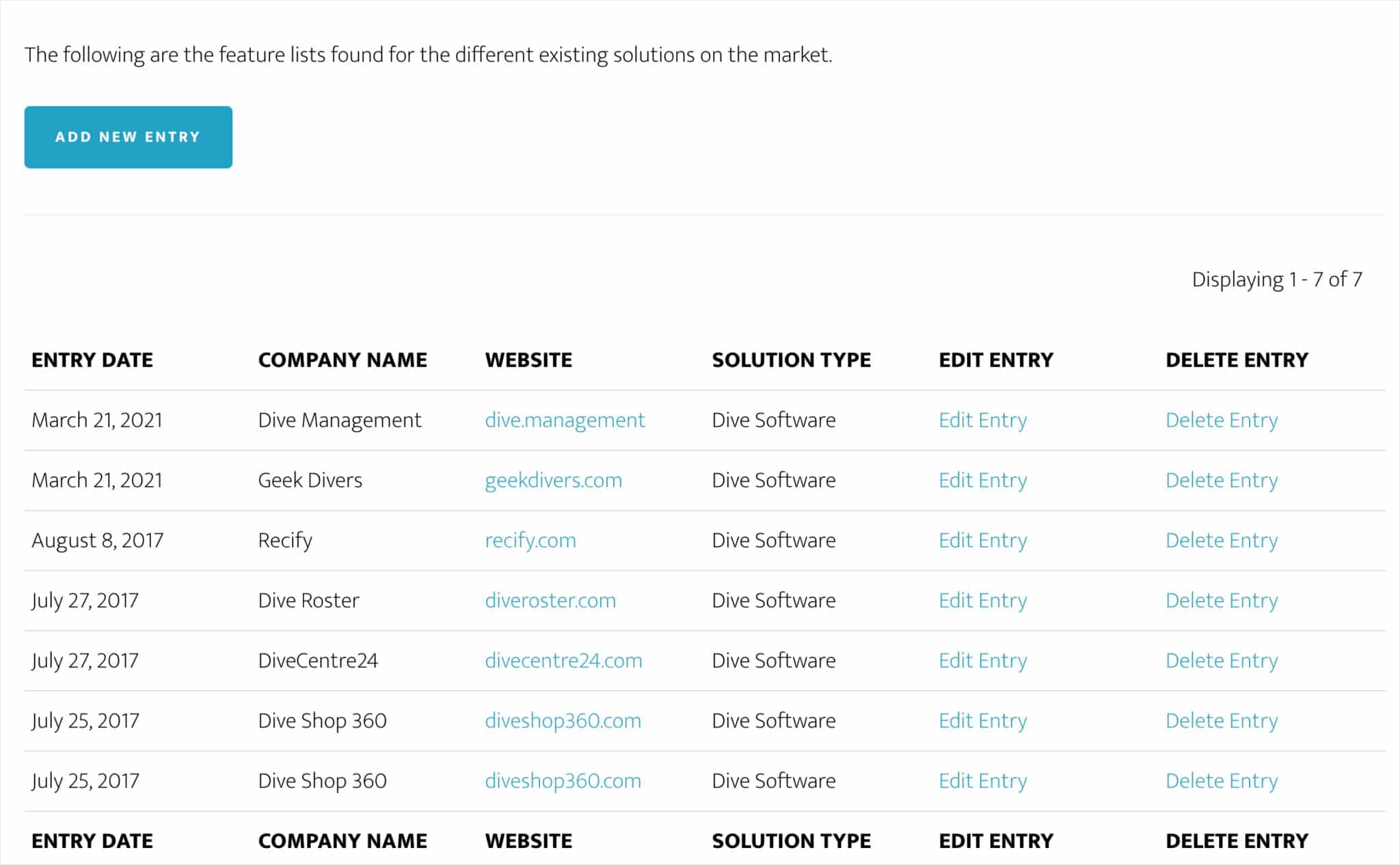
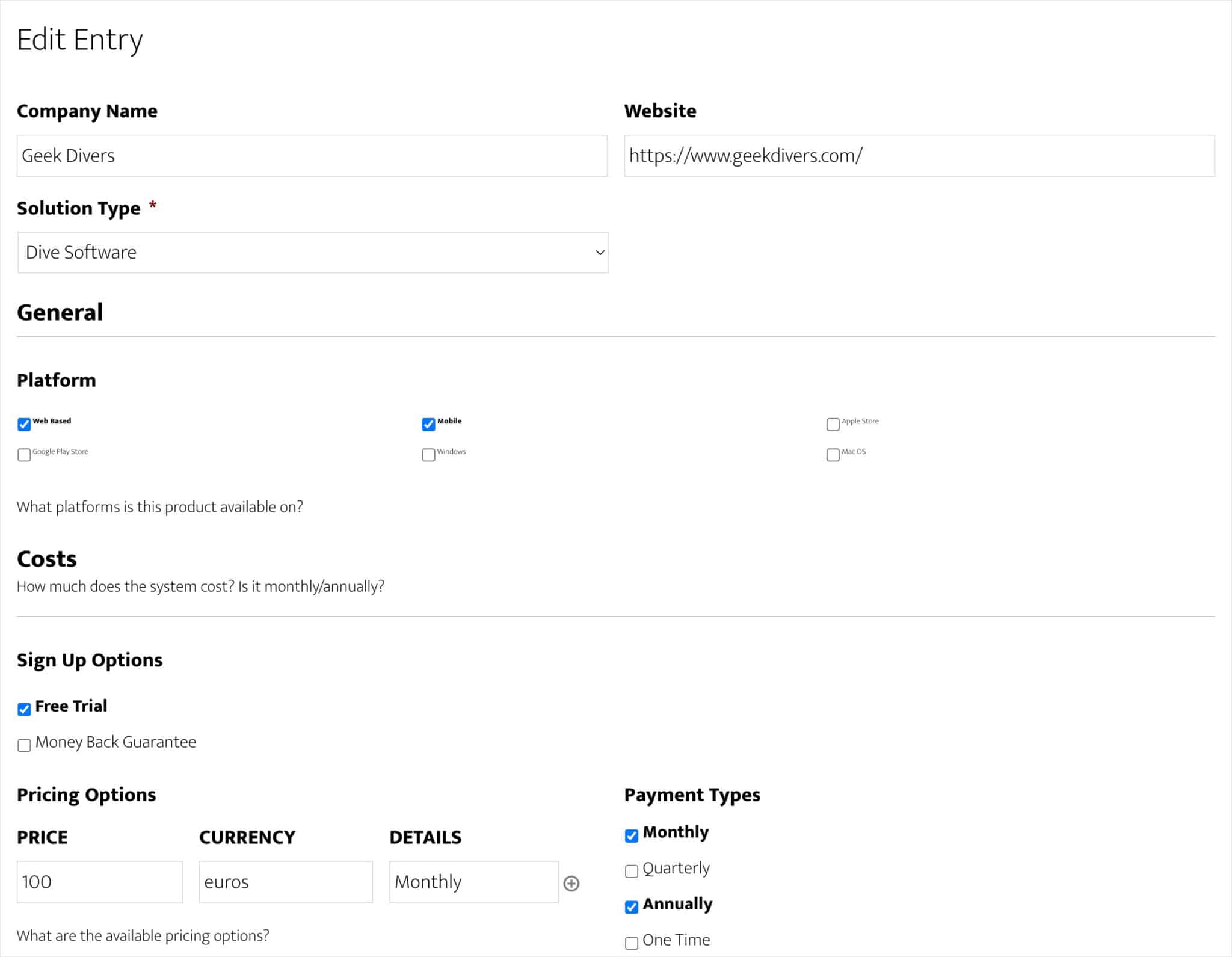
Dive shops are added to the database using Gravity Forms and displayed on the front end using GravityView. There’s a separate form for inputting the different features of each shop for easy comparison. All entries can be edited from the front end thanks to GravityView’s front end editing capabilities!
GravityView’s search and sorting features make it easy to filter through the data and identify opportunities in the market.
The impact
For Jamie, GravityView stands out as the preferred tool for MVP development because it pairs seamlessly with WordPress’s built-in user management and the broader Gravity Forms ecosystem. Once he discovered GravityView, he didn’t feel the need to explore alternatives—the combination offered everything required to track user activity, manage data, and launch functional applications with minimal setup.
Gravity Forms and GravityKit also lower the barrier for non-technical users. Any application that relies on creating, reading, updating, or deleting data can be assembled quickly, making GravityKit a powerful no-code solution. By dramatically reducing build time and complexity, GravityKit has had a direct, positive impact on Jamie’s business, helping him deliver complete solutions faster while saving significant development time.
The whole Gravity Forms ecosystem is very powerful and adds a whole new area of no-code capability to WordPress.
Takeaways
For Jamie, GravityKit turns WordPress into a practical no-code platform for building real applications, not just websites. By combining Gravity Forms, GravityView, and WordPress’s native user management, he can prototype and launch MVPs in days instead of weeks. The result is a faster path from idea to execution.
Ready to get
started?
GravityKit’s integrated toolkit of Gravity Forms add-ons transforms your data into actionable applications.
Browse more case studies
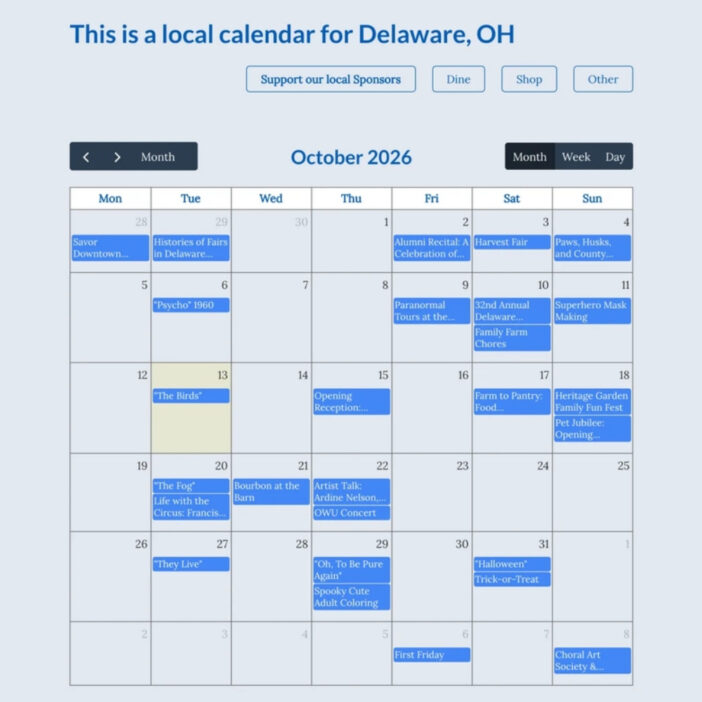
Be There Local
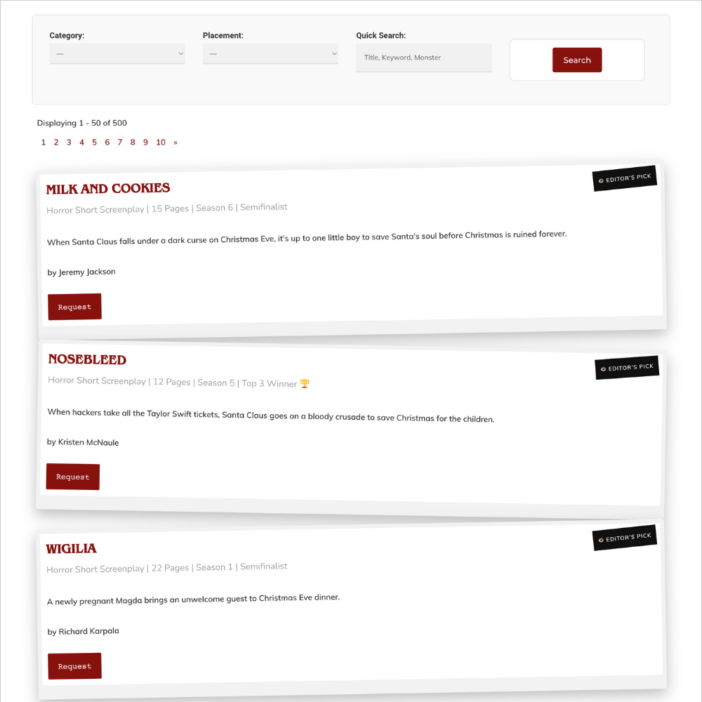
Killer Shorts
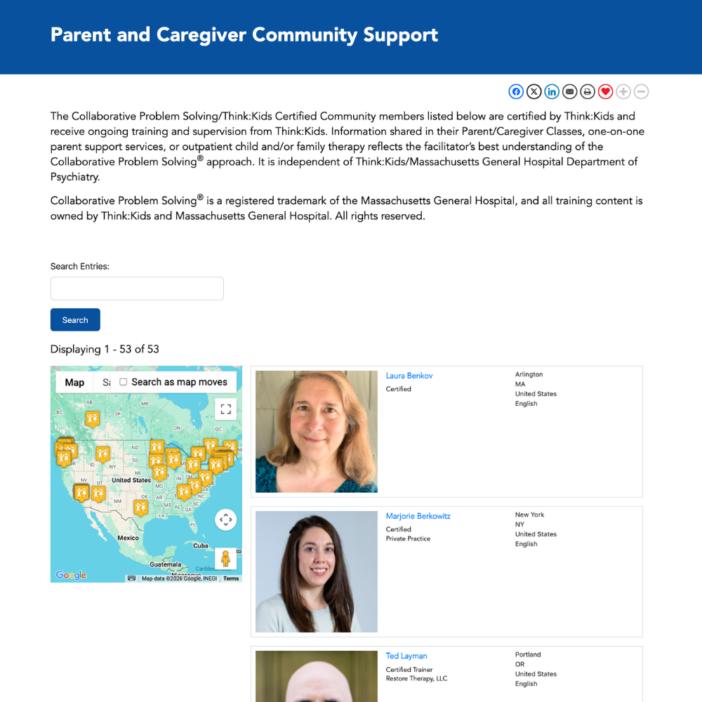
Think:Kids
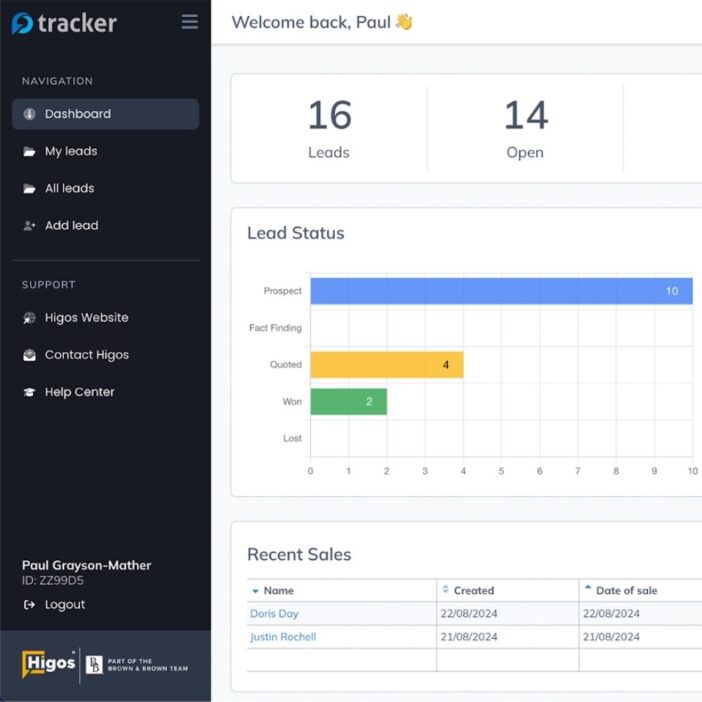
Leadpal
Jacksonville Port Authority
Princeton University
South Florida Web Advisors
NSSL
Dragonfly
West Fork School District
HappyTree IT
Mediebruket
Bet Hannon
Experience Solutions
Slight Revision
LifterLMS
GCPE
Rochelle Victor
43Folders