Case study
How 43Folders built a grant application management system using GravityKit
43Folders Technology Solutions built a custom grant application management system for the Larry L. Hillblom Foundation using GravityKit. Led by Michael Kastler, the team created a powerful front-end interface that allows applications to be tracked, managed, and edited entirely within WordPress. The system supports a large nonprofit funding medical research related to diabetes and aging. It was one of the most complex Gravity Forms and GravityKit projects the team has delivered to date.
Meet Michael Kastler
Michael Kastler is the founder of 43Folders Technology Solutions, a web development agency he started almost a decade ago. Early on, he identified a niche serving organizations large enough to need advanced integrations, but not large enough to build and maintain those systems in-house.
All of 43Folders’ clients have unique requirements. Before starting the company, Michael worked in IT management and business development, with earlier experience in telecom, database programming, and web development.

Discovering GravityKit
43Folders was already using Gravity Forms to collect and store application data, but the missing piece was a front-end interface that allowed applicants to view and track their progress. That need led the team to discover GravityView during this project.
While Michael had been aware of GravityView previously and often chose to build custom solutions, the scale and complexity of this project made that approach impractical. GravityView dramatically reduced development time, delivering a robust front-end experience that proved well worth the investment.
GravityView is saving us so many hours of development time! It’s tremendously worth the price.
43Folders has used GravityKit across a wide range of projects beyond grant management. These include an online voting system for the Kennedy Institute, where Gravity Forms collects votes and GravityView displays nationwide results in real time, as well as a kiosk-based assignment system for a Midwest tree care company. The team has also built staff directories and other custom data-driven tools, making GravityKit a core part of their development toolkit.
Building with GravityKit
There are several steps involved in the grant application process. After the user submits the initial application, it is sent through a complex screening process.
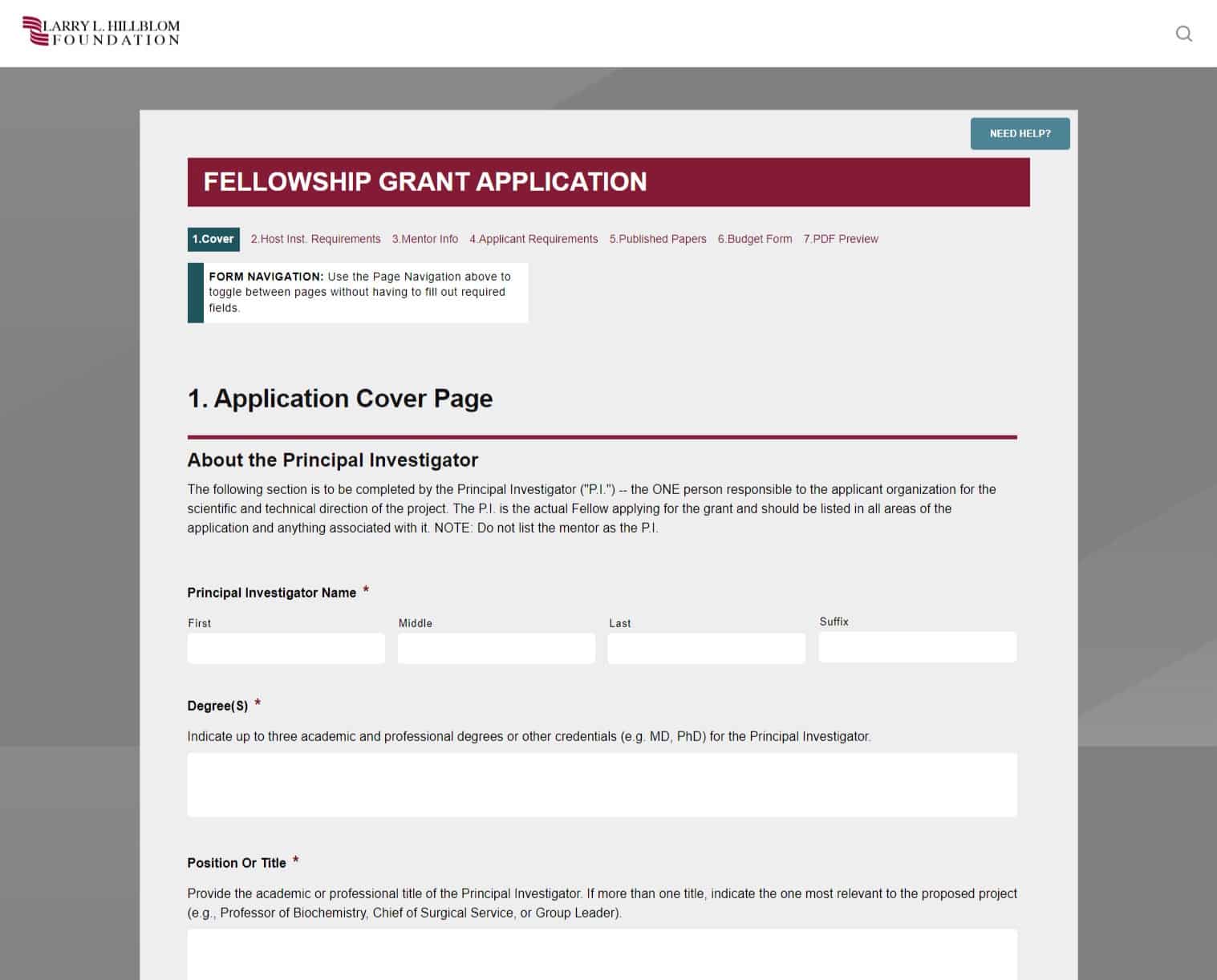
Gravity Forms is used to collect the application data, and send notifications to the reviewers when new applications are submitted. The grant application form is over 7 pages in length with more than 100 questions!
The applicant dashboard, created using GravityView, not only displays all submitted applications, but uses conditional logic to ensure applicants understand where they are in the process.
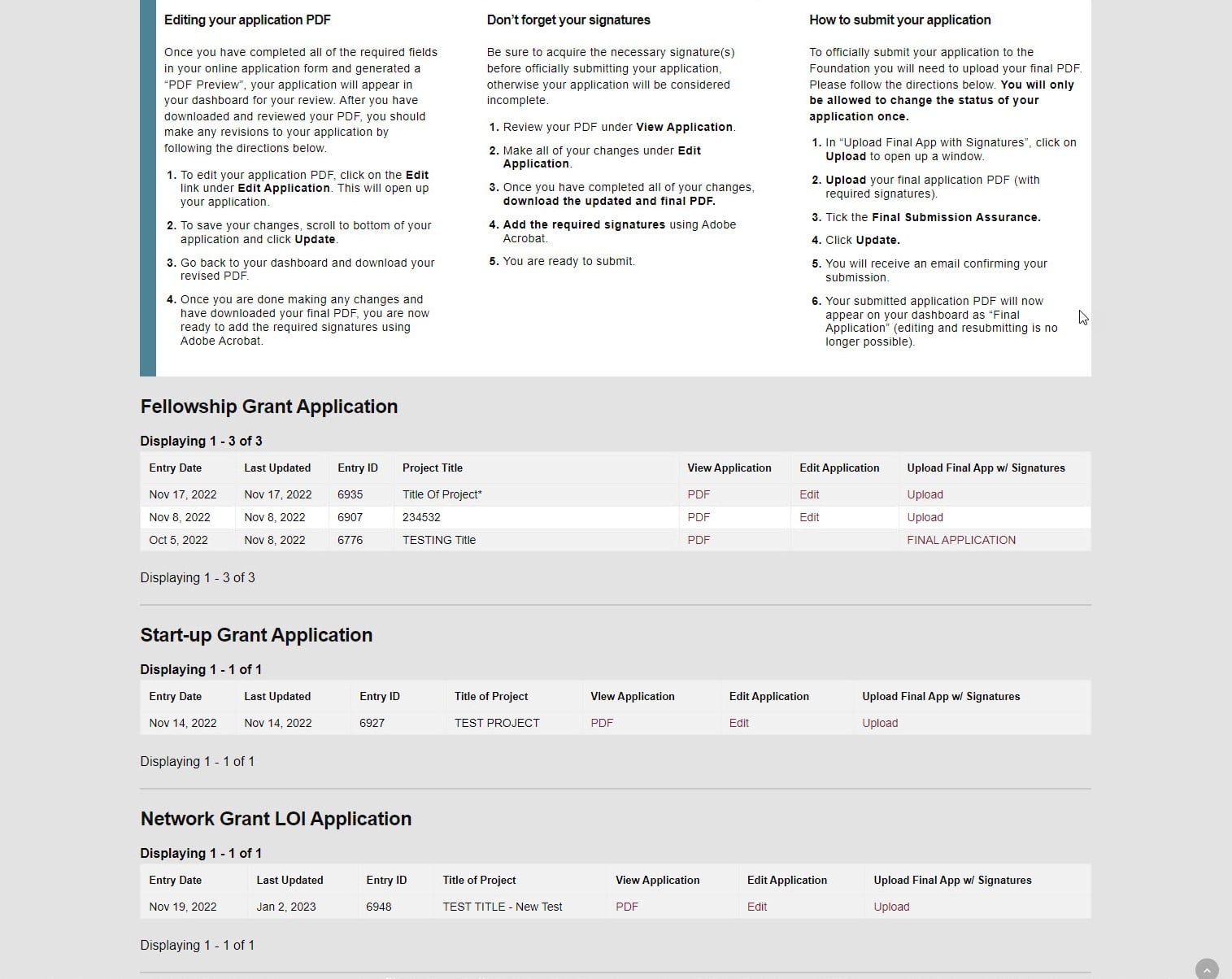
Once the initial application is complete, applicants receive a fully-compiled PDF document, which they must get signed and re-upload to the site. This is the final application step. If applicants have not completed this step, they will see an “Upload” link that takes them to a separate View where they can upload their PDF.
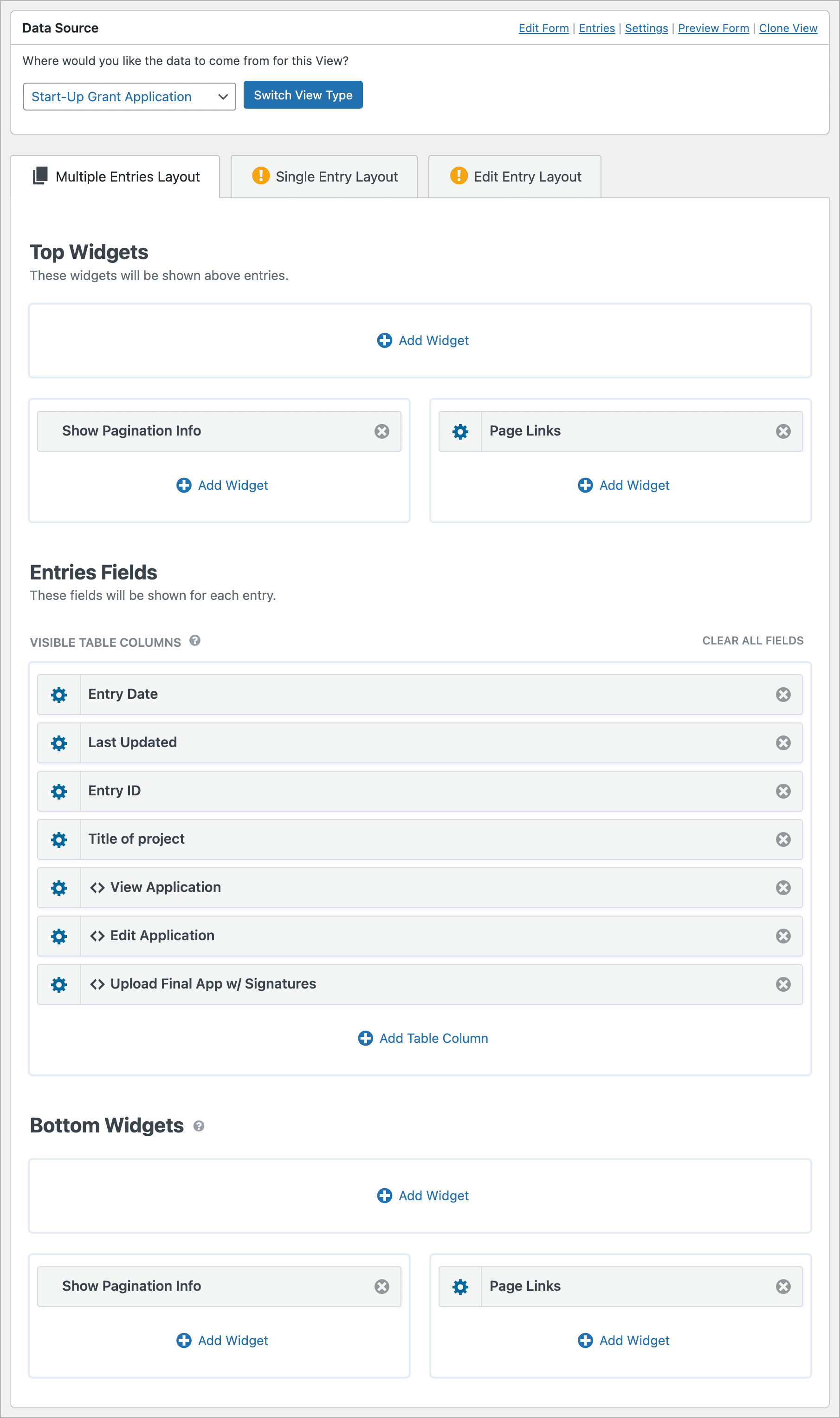
Finally, all the applications must be reviewed and evaluated by the LLHF board (board members have their own dashboard and Views). The review process ultimately results in a grant being either approved or denied. The final approval or denial of the application is handled using GravityView’s built-in entry approval system.
Thanks to GravityView, the full application and review process takes place on the front end of the site, ensuring a seamless experience and complete security!
The impact
GravityView has saved 43Folders weeks of development time, particularly on large-scale projects like the Larry L. Hillblom Foundation grant system. Its ease of implementation and deep integration with the Gravity Forms ecosystem made it the most practical and capable solution for building complex, front-end application workflows.
According to Michael, alternative tools in the space failed to offer the same level of functionality or ecosystem integration. GravityView’s ability to surface, manage, and edit form data on the front end gave 43Folders capabilities that competing solutions simply couldn’t match.
From a business perspective, GravityKit has enabled 43Folders to take on projects that would otherwise be technically impractical or financially unviable. By reducing development overhead while maintaining flexibility, the platform has helped the team overcome complex requirements without sacrificing profitability.
As a result, GravityKit has become one of Michael’s first recommendations to partners and collaborators. He consistently advises investing in Gravity Forms as a foundation and pairing it with GravityKit whenever front-end data management is required—making it a trusted part of 43Folders’ development stack.
Other competitors in the space haven’t been able to provide the same capabilities that GravityView has.
Takeaways
In this case study, we spoke with Michael Kastler from 43Folders Technology Solutions about his experience building a grant application management system using GravityKit.
Michael and his team recently completed this project for the Larry L. Hillblom Foundation – a nonprofit organization that funds medical research. The system makes use of Gravity Forms for collecting grant applications, while GravityView is used to power custom dashboards for both applicants and Admins.
Ready to get
started?
GravityKit’s integrated toolkit of Gravity Forms add-ons transforms your data into actionable applications.
Browse more case studies
Be There Local
Killer Shorts
Think:Kids
Leadpal
Jacksonville Port Authority
Princeton University
South Florida Web Advisors
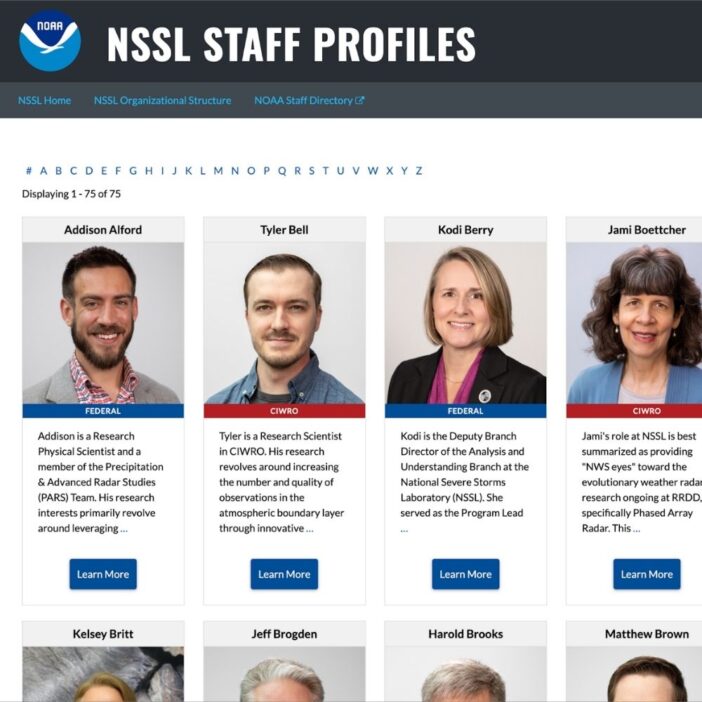
NSSL
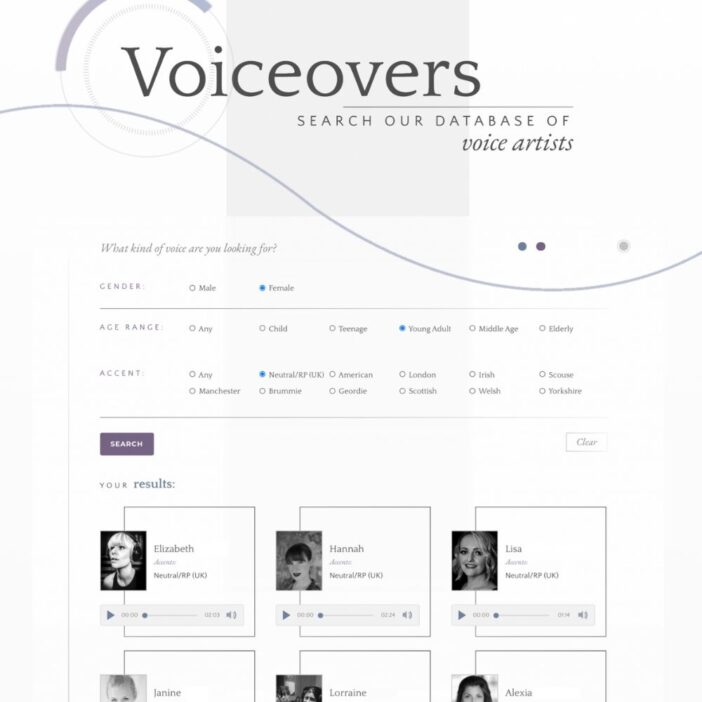
Dragonfly
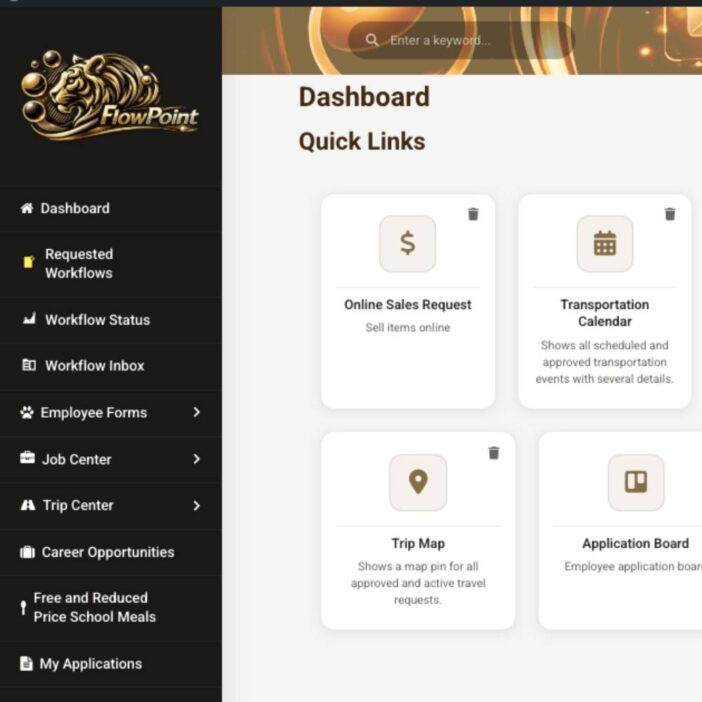
West Fork School District
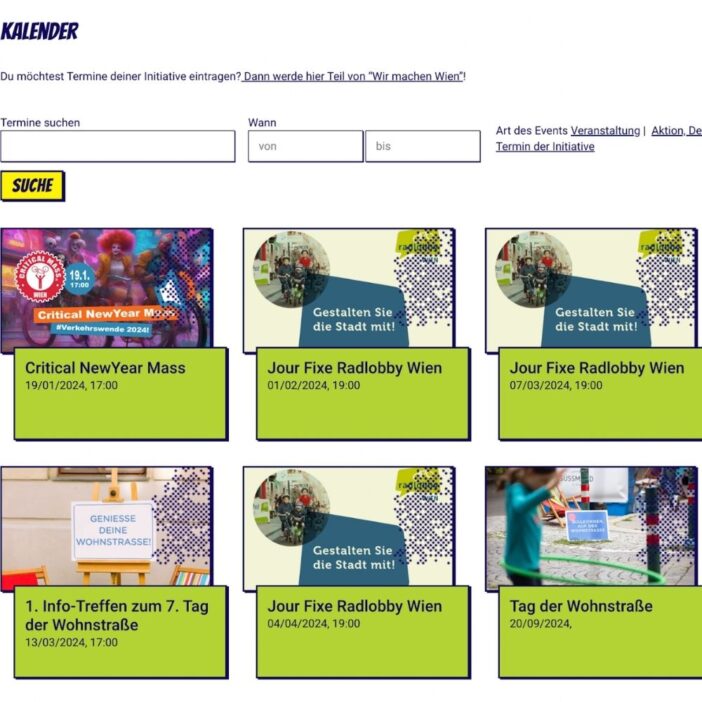
HappyTree IT
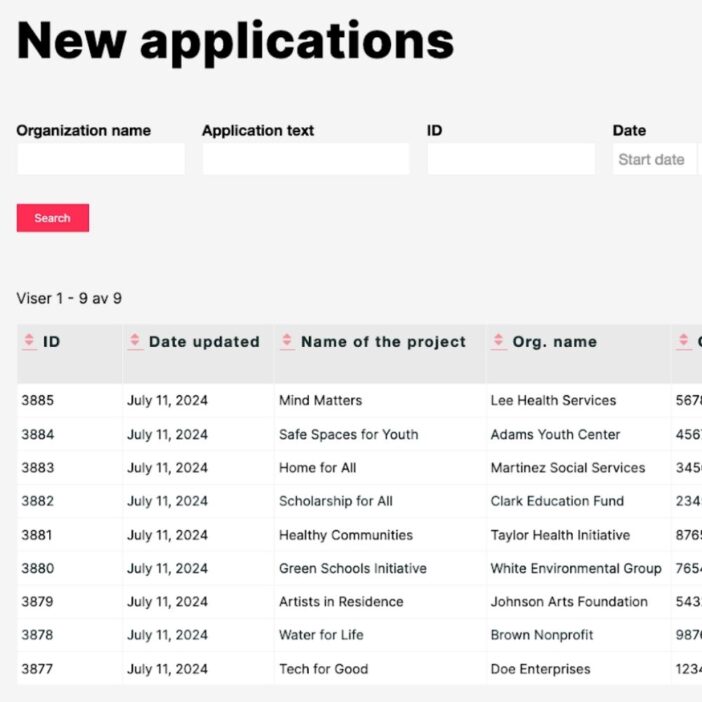
Mediebruket
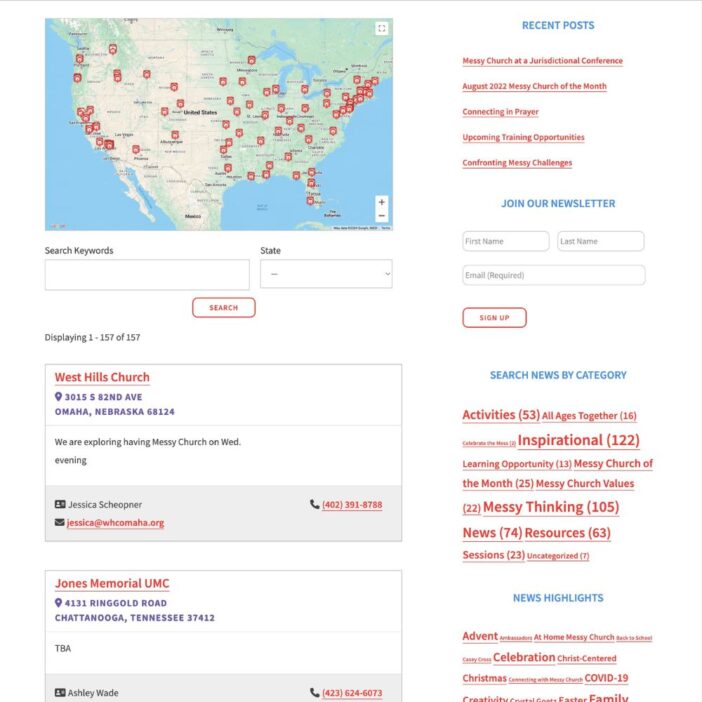
Bet Hannon
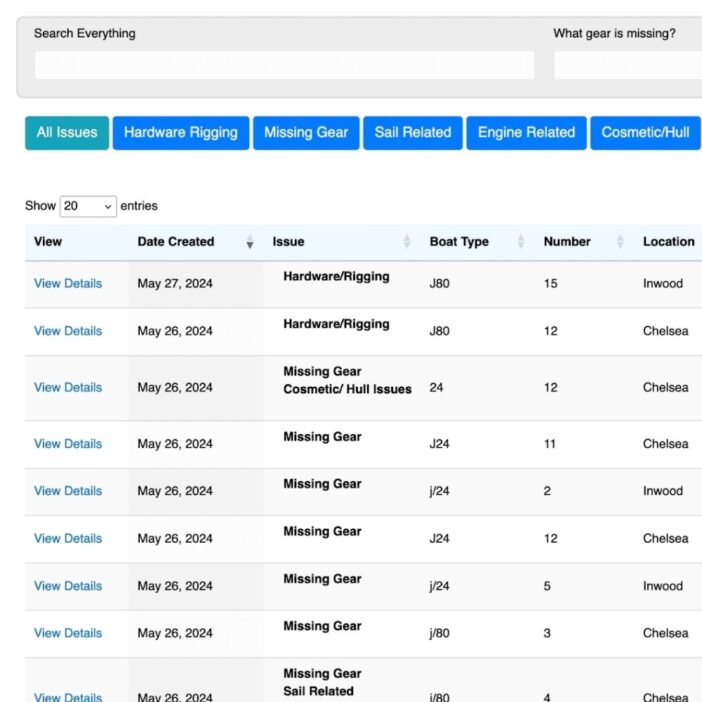
Experience Solutions
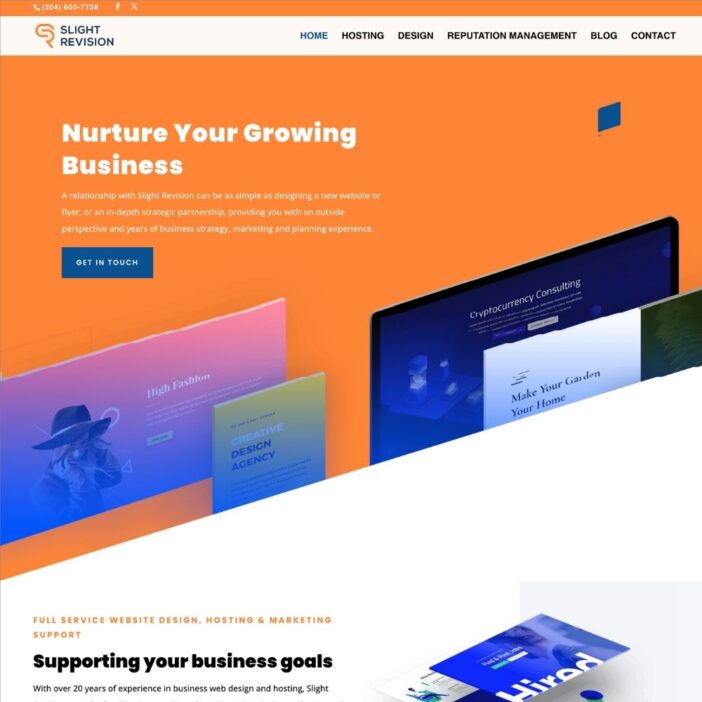
Slight Revision
LifterLMS
Jamie Madden
GCPE
Rochelle Victor