
Case study
How Leadpal built an affiliate dashboard without code using GravityKit
Leadpal built a custom affiliate tracking dashboard for a client with over 10,000 affiliates using GravityKit. The team leveraged WordPress, Gravity Forms, and GravityKit to launch a no-code solution quickly. The result was “Tracker,” a new product that improved reporting and client service while reducing development overhead. This project shows how GravityKit can power scalable, data-driven dashboards alongside more complex platforms.
Meet Paul Grayson-Mather
Paul Grayson-Mather is the co-founder of Leadpal and an expert in marketing, lead generation, and conversion rate optimization.
With a background in marketing rather than development, Paul brings a strong understanding of technology and has worked with WordPress since its early days. His role at Leadpal spans product development, sales, and strategic decision-making, bridging the gap between technical solutions and business outcomes.
Leadpal is a lead management and analytics platform built with React and designed specifically for insurance brokers. It forms part of a broader business that also includes a lead generation and sales-focused marketing arm, as well as a specialized service for Bosch, where Leadpal’s sales consultants manage relationships between customers and installers as part of Bosch’s FastTrack program.

Discovering GravityKit
Paul first discovered GravityKit while researching ways to display Gravity Forms entries on the front end. At the time, it stood out as a straightforward and effective solution for visualizing form data without custom development.
When building the Tracker product, the Leadpal team needed a system tailored specifically for introducers, not sales agents. With around 10,000 affiliates submitting and tracking leads, Leadpal’s core platform wasn’t a fit for this audience. Creating Tracker as a separate product made more sense, but limited development resources ruled out building it from scratch.
Instead, Leadpal chose a no-code approach using WordPress, Gravity Forms, and GravityKit. GravityView was used to display affiliate lead data on the front end, while GravityMath powered key statistics such as lead counts, pipeline stages, and conversion rates. GravityCharts added visual reporting to help users quickly understand performance.
Given our limited development resources, we opted for a no-code solution using WordPress. Gravity Forms and GravityKit were the obvious choices. These tools allowed us to build a functional product quickly, even as a non-developer.
Building with GravityKit
Tracker was designed to address a critical gap for one of Leadpal’s clients, whose existing affiliate system was outdated. Rather than integrating new functionality into their existing platform, the Leadpal team built Tracker as a separate product tailored for affiliates.
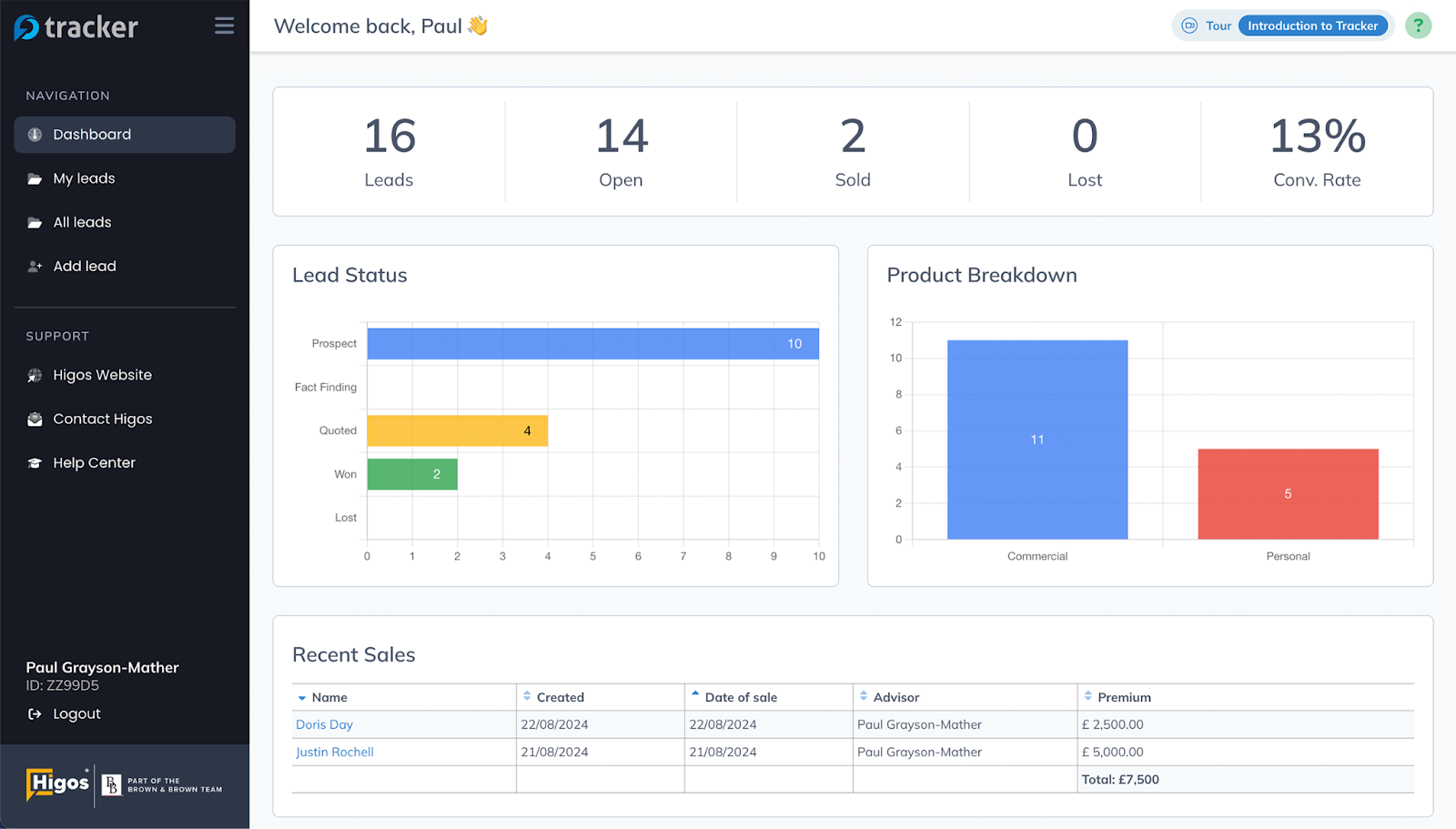
Tracker provides affiliates with their own dashboard where they can submit new leads, view their progress through the pipeline, and track important metrics like sales and conversion rates.
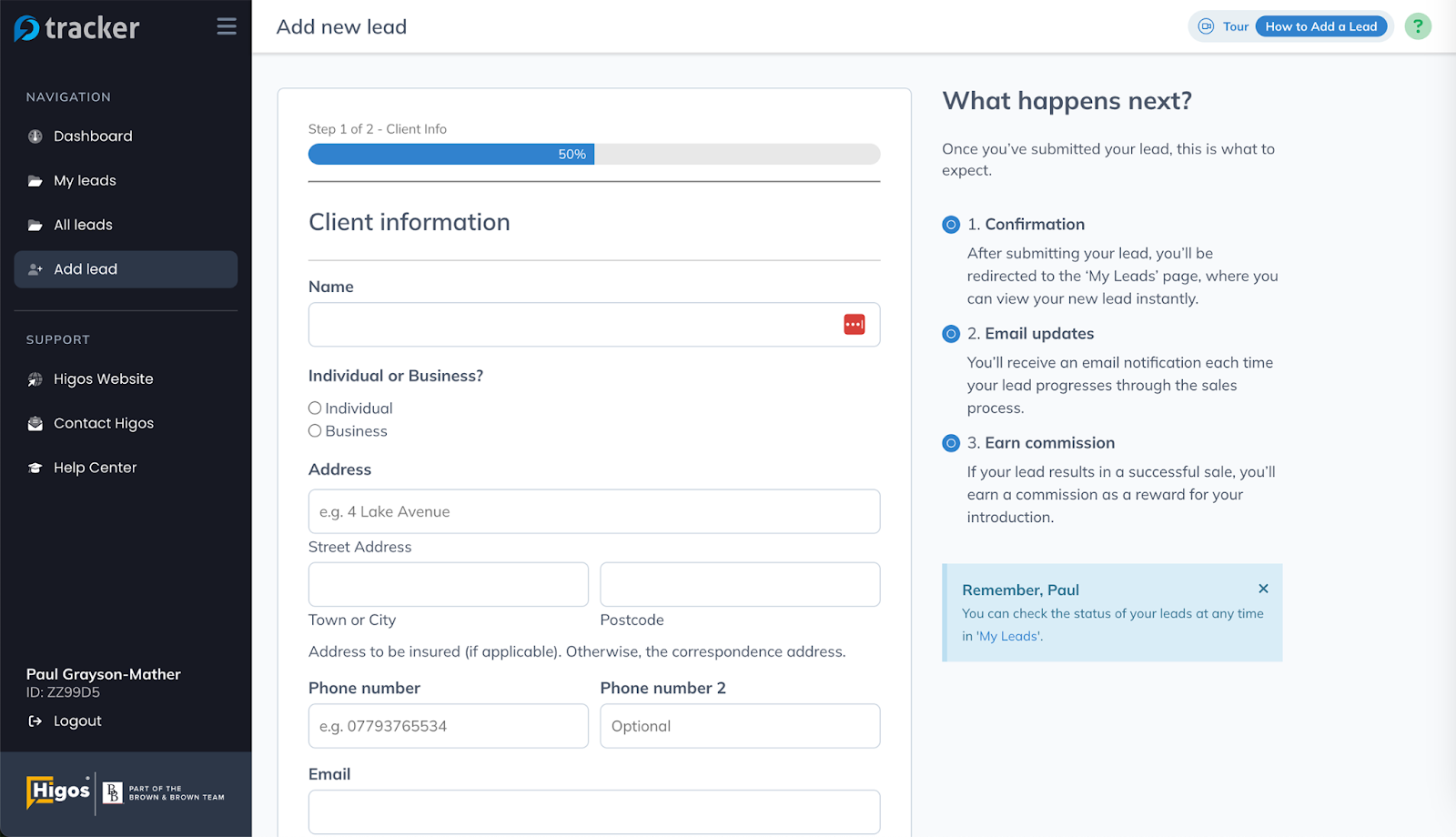
Leveraging Gravity Forms, Tracker allows affiliates to submit leads that are then processed through Zapier. The automation sorts the leads into the appropriate departments and syncs them with Leadpal’s system, assigning a unique identifier to each affiliate. As leads move through different stages, Tracker updates the status, providing real-time insights to the affiliates.
GravityKit played a pivotal role here, enabling Leadpal to display leads and statistics on the front-end. GravityView displays the leads, GravityCharts is used to visualize key data, and GravityMath calculates and displays detailed statistics on lead submissions, conversion rates, and more.
The result is a seamless, user-friendly interface that meets the client’s needs without requiring extensive development time!
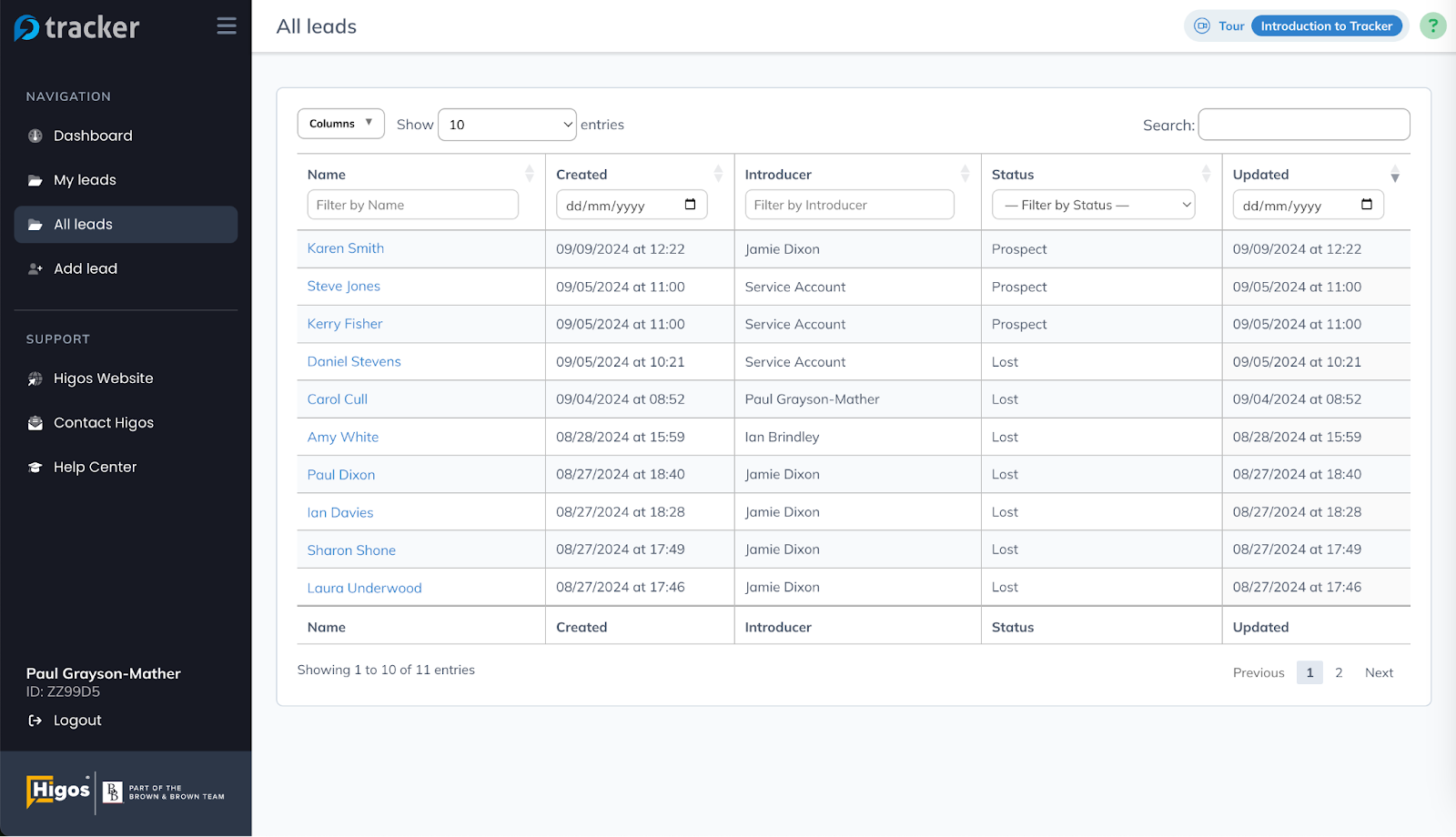
This approach allows affiliates to work independently, while receiving notifications and updates on submitted leads.
The impact
GravityKit made it possible for Leadpal to launch the Tracker product without investing additional development time—one of the team’s most limited resources. By enabling a fully functional, no-code solution, GravityKit turned an idea into a production-ready product quickly and efficiently. In practical terms, Tracker simply wouldn’t exist without GravityKit, making it a foundational part of Leadpal’s product strategy.
Takeaways
Built using GravityKit and other WordPress tools, Paul and the Leadpal team were able to create a robust lead tracking system for their client’s affiliate network. Not only did Leadpal save on development resources by utilizing a no-code solution, they were able to deploy a new product in a remarkably short timeframe.

Ready to get
started?
GravityKit’s integrated toolkit of Gravity Forms add-ons transforms your data into actionable applications.
Browse more case studies
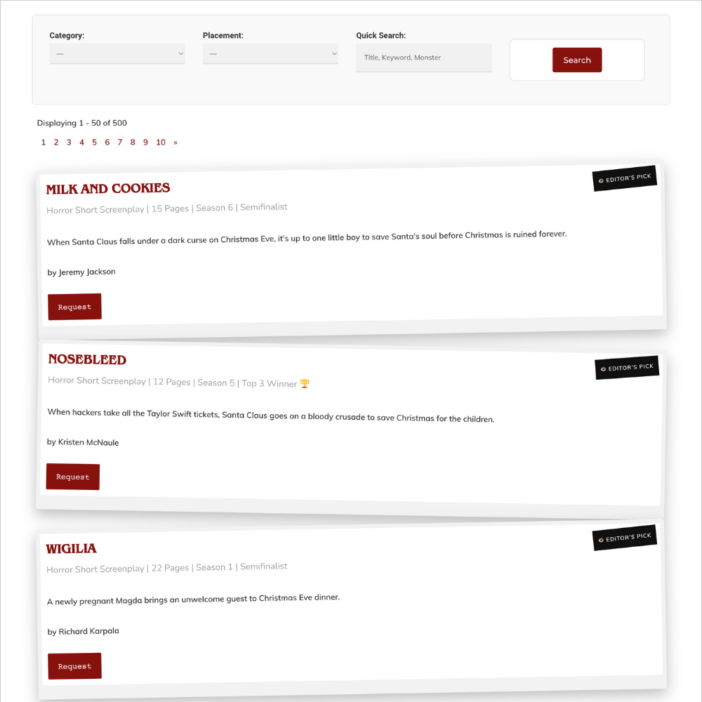
Killer Shorts

Think:Kids
Jacksonville Port Authority

Princeton University

South Florida Web Advisors
NSSL
Dragonfly
West Fork School District
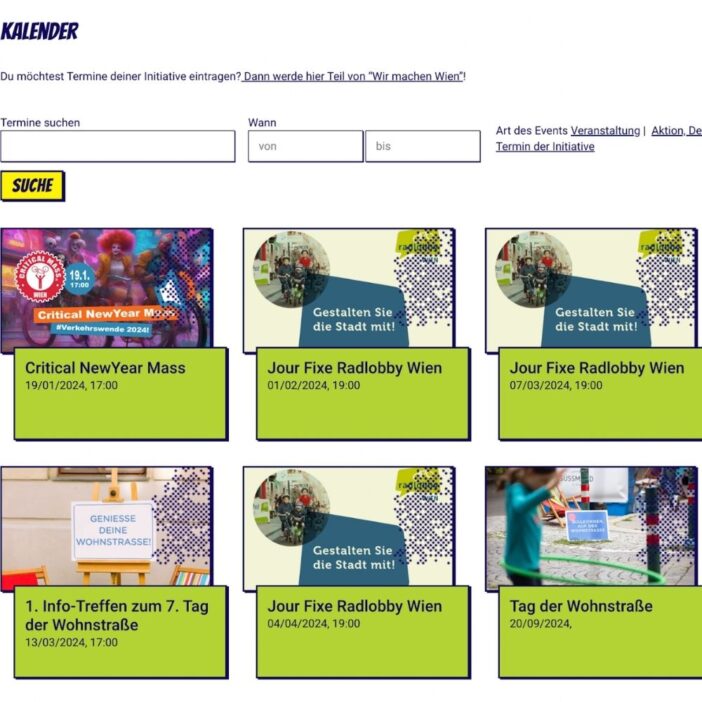
HappyTree IT
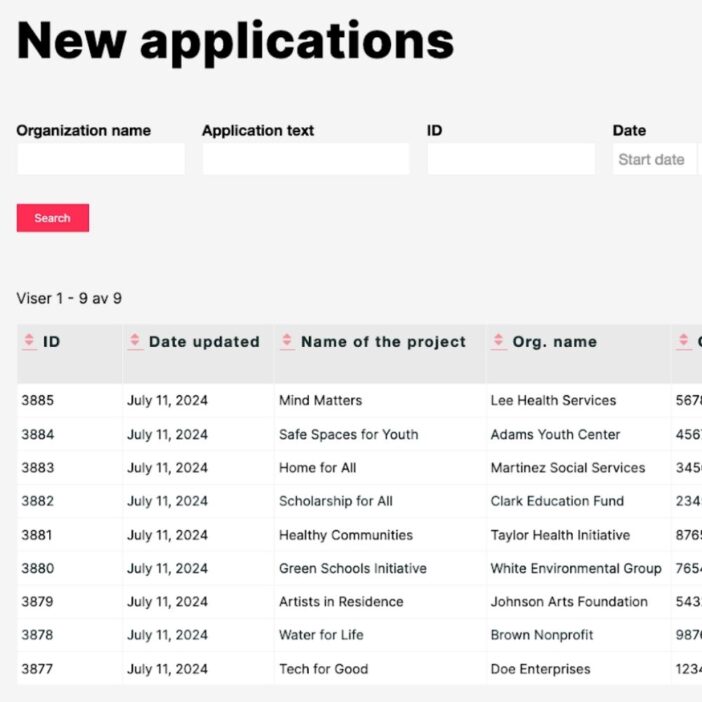
Mediebruket
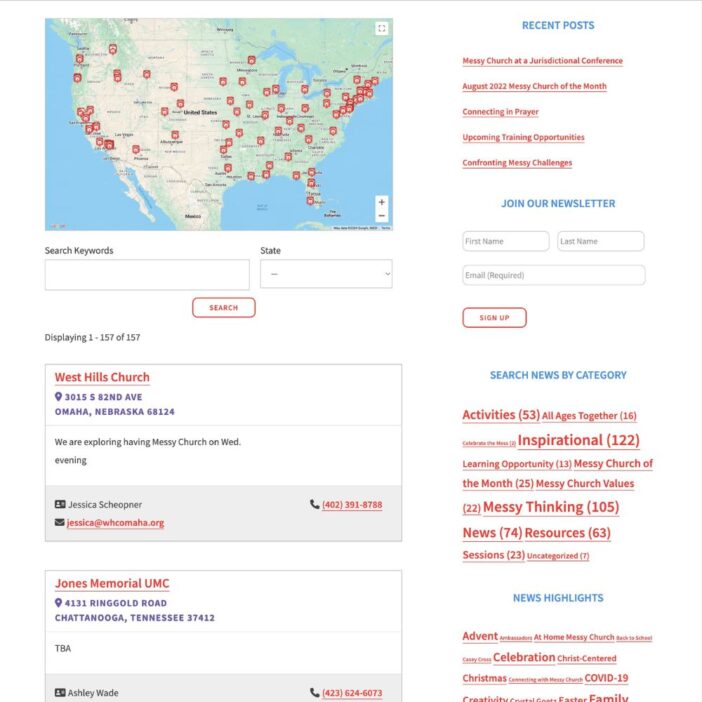
Bet Hannon
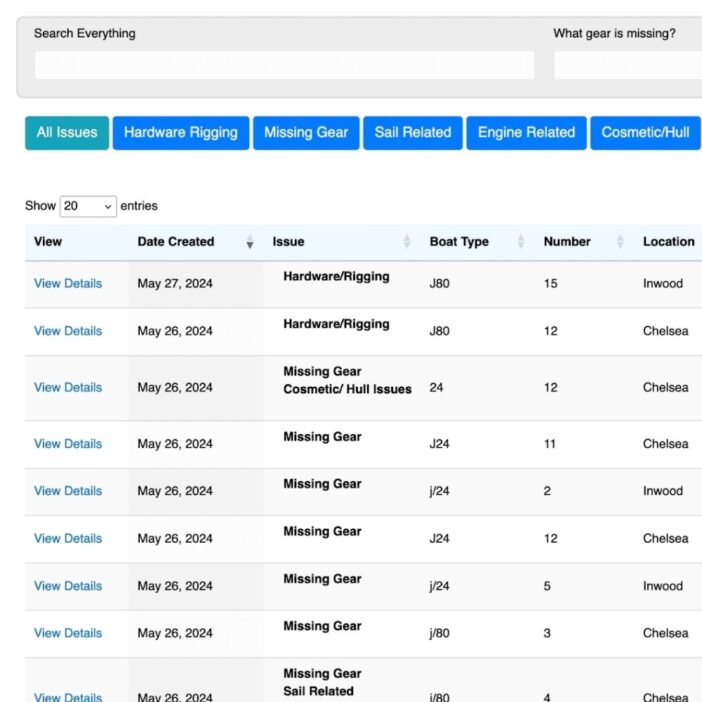
Experience Solutions
Slight Revision
LifterLMS
Jamie Madden
GCPE
Rochelle Victor
43Folders
Nile Flores