Case study
How Pieroth reduced costs and improved product information management with GravityKit
Pieroth built a custom Product Information Management (PIM) system using GravityView. Led by Digital Manager Nicolas Johansson, the team needed a better way to manage product data across multiple countries as the company expanded into eCommerce. With product information spread across disconnected systems, updates were slow and inconsistent. GravityView provided Pieroth with a centralized, flexible solution for managing and distributing product data at scale.
Meet Nicolas Johansson
Nicolas Johansson is responsible for driving digital transformation for Pieroth across all the countries the company operates in. His role spans a wide range of responsibilities, including managing the eCommerce platform, integrating interfaces between internal systems, and developing online marketing strategies to support customer growth.
At the core of his work is a focus on system integration and process efficiency. Nicolas specializes in improving backend workflows while ensuring the front-end customer experience remains seamless and high quality—a balance that’s critical as Pieroth scales its digital operations internationally.

Discovering GravityKit
Nicolas was already using Gravity Forms extensively for lead generation and other internal workflows when he realized its potential went much further. If the data could be visualized and managed on the front end, Gravity Forms could form the foundation of a custom Product Information Management system.
While searching for a way to display Gravity Forms data on the front end, he quickly discovered GravityView. It proved to be exactly what Pieroth needed to bring product data into a usable, structured interface.
From there, the project expanded to include the processes required to export and merge product data with Pieroth’s ERP systems, where inventory and pricing information is managed—turning GravityKit into a central piece of the company’s PIM infrastructure.
Building with GravityKit
Pieroth’s primary challenge was managing product data across a fragmented IT landscape. With different ERP systems operating in different countries, product information was inconsistent, difficult to update, and increasingly inadequate as the company expanded into eCommerce.
To address this, the team explored dedicated PIM platforms but found them overly complex and restrictive for their needs. These solutions lacked the flexibility required to adapt workflows and customize processes internally. GravityView, by contrast, offered an intuitive product management interface at a significantly lower cost, while still allowing full control over customization.
Before adopting GravityKit, Pieroth relied on Google Sheets alongside a feed management tool, Channable. This setup was difficult to scale and depended on a small number of technically skilled users. Product managers needed a more accessible system they could manage independently, without relying on specialized tools or intermediaries.
A custom PIM system for managing wines on a global scale
Let’s take a closer look at the impressive PIM system that Nicolas set up using Gravity Forms and GravityView.
Pieroth’s GravityView-powered PIM system allows them to:
- Manage hundreds of different wines across multiple countries
- Easily update product information without any technical steps
- Push that information to their online shops as required
- Create PDF Fact Sheets that can be shared with customers (using Gravity PDF)
Product managers can add new products to the catalog through a Gravity Form. This information is then merged with data from Pieroth’s ERP systems and displayed on the front end using GravityView.
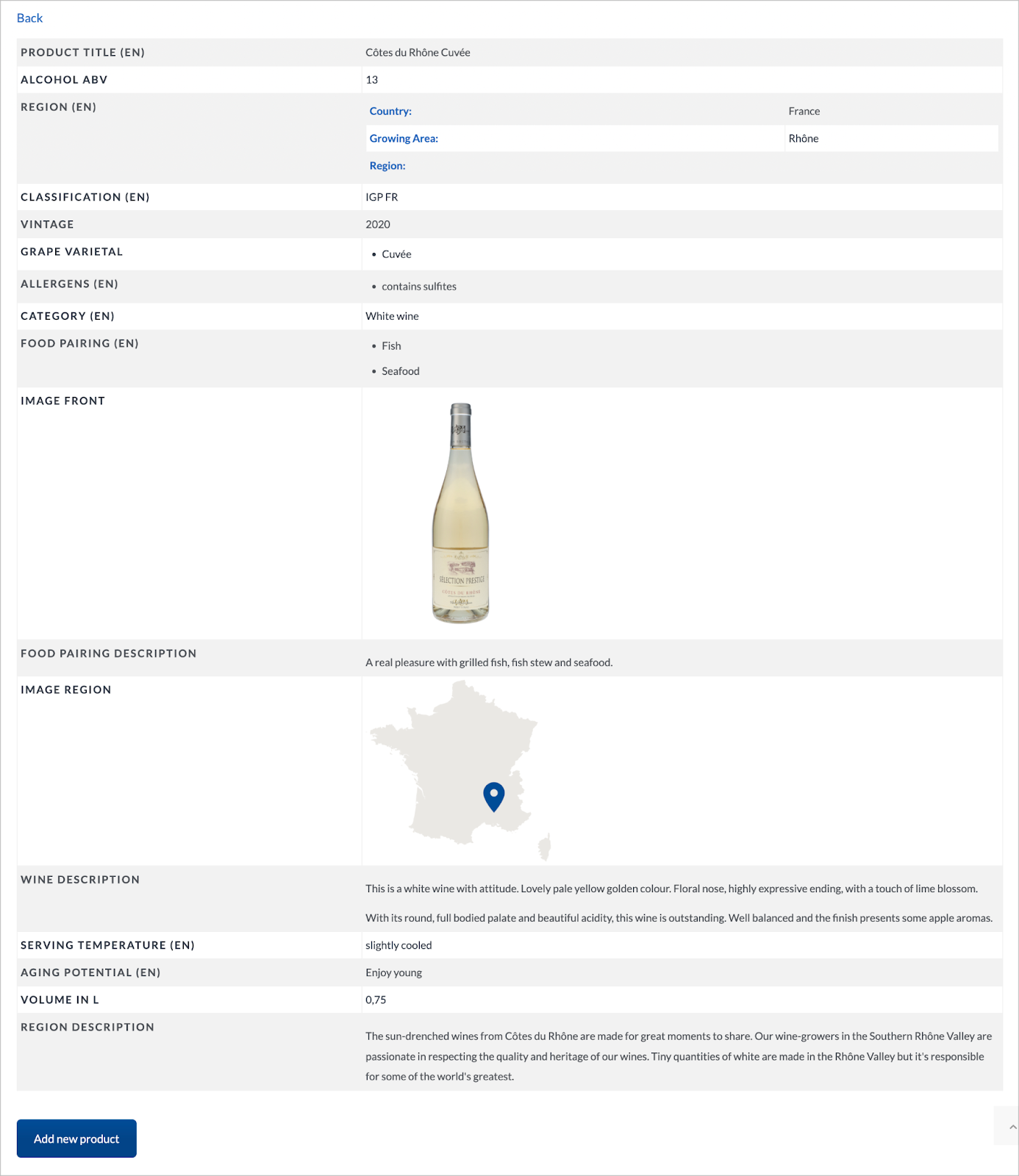
When product managers log in to the system, they can browse and edit product information for their specific country without ever needing access to the backend. As each country’s product catalog is different, there’s a form and a View for each one, and access is controlled by assigning users different roles.
GravityView’s searching and filtering tools enable product managers to quickly find the products they’re looking for, as well as identify products with missing data. This ensures that product information is always up-to-date.
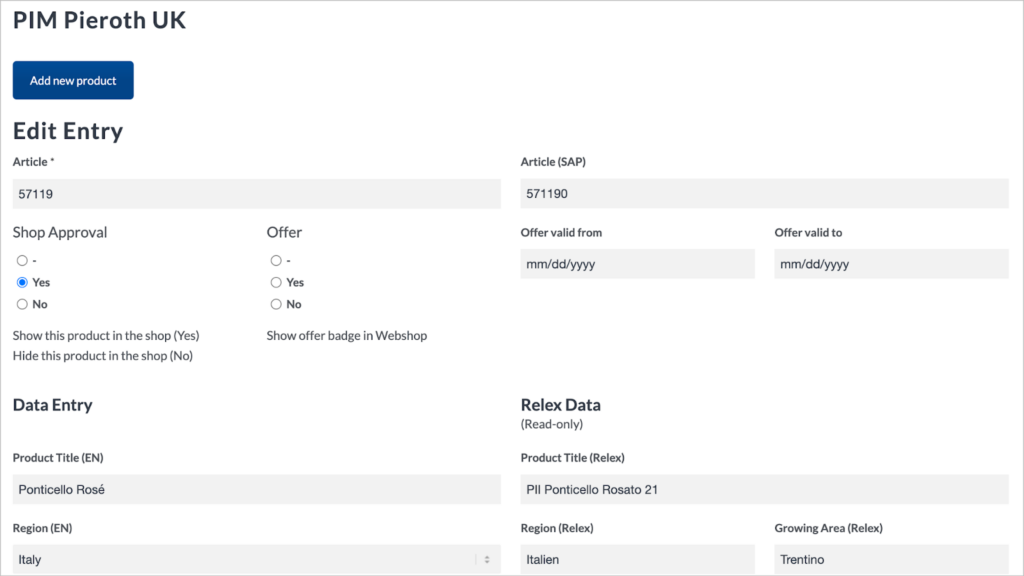
Nicolas opted to use GravityView’s DataTables layout for the PIM system as he felt this was the layout best suited for their use case (and we agree!).
Looking ahead, Pieroth plans to expand the system further. One upcoming enhancement involves surfacing wine tasting notes (collected by the quality management team using Gravity Forms) directly to product managers within the PIM. The team is also considering using Gravity Forms and GravityView to give the direct sales team access to lead data, effectively turning the system into a lightweight CRM that supports both eCommerce and sales operations.
The impact
GravityKit gave Pieroth a clean, intuitive front-end interface that allows teams to view and update product data without accessing the WordPress backend. Advanced searching and filtering make it easy to identify products with missing or outdated information, helping the team maintain consistent, high-quality product descriptions across markets.
Operationally, the impact was immediate. Updates that once required multiple steps can now be handled directly by product managers, putting day-to-day product maintenance back where it belongs. As Pieroth expanded into new digital channels, GravityKit enabled product managers to take on greater responsibility while supporting them with tools like automatically generated PDF fact sheets, saving significant time.
For Pieroth, GravityKit proved to be an ideal alternative to complex enterprise PIM platforms. It delivers full flexibility and control over product data without the overhead of a large SaaS solution, making it a strong fit for mid-sized companies with limited IT resources. As a result, Pieroth continues to rely on GravityView as its long-term PIM solution.
I think there are a lot of mid-sized companies that don’t have a huge amount of IT resources or don’t have a need for an enterprise-level SaaS. In this case, GravityView is the perfect solution as it provides complete flexibility and total control over the data.
Takeaways
Pieroth uses GravityView to power their Product Information Management (PIM) System, which forms a core part of their eCommerce infrastructure. Thanks to GravityView, product managers are able to maintain data consistency and easily update product information across multiple countries and portfolios!

Ready to get
started?
GravityKit’s integrated toolkit of Gravity Forms add-ons transforms your data into actionable applications.
Browse more case studies
Be There Local
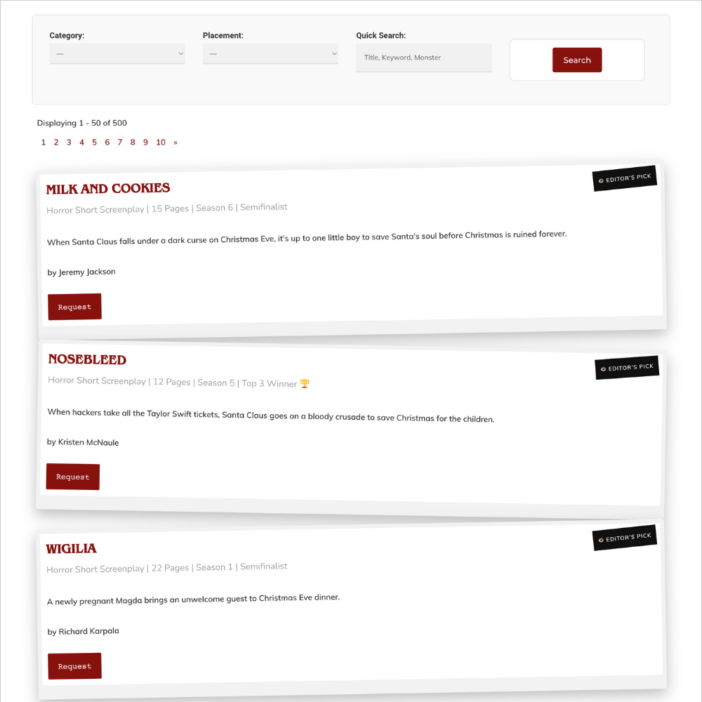
Killer Shorts

Think:Kids
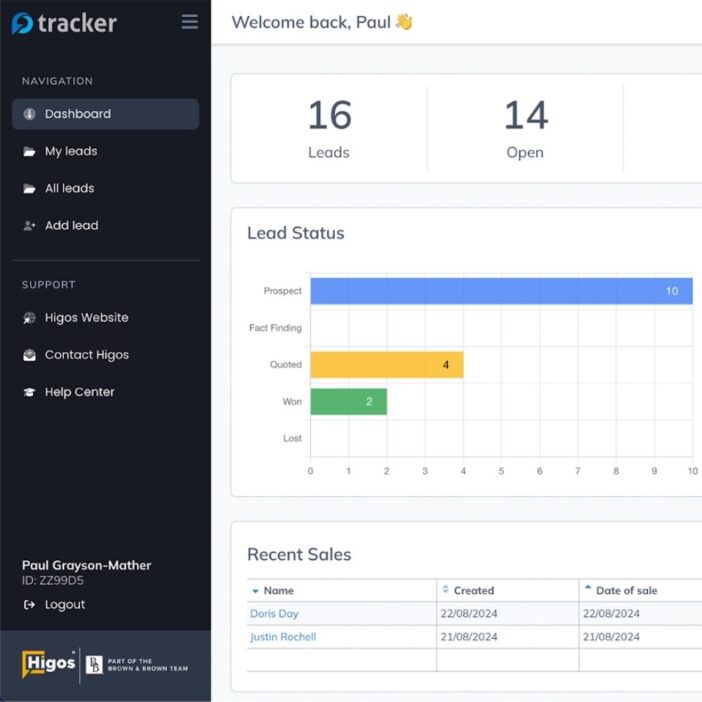
Leadpal
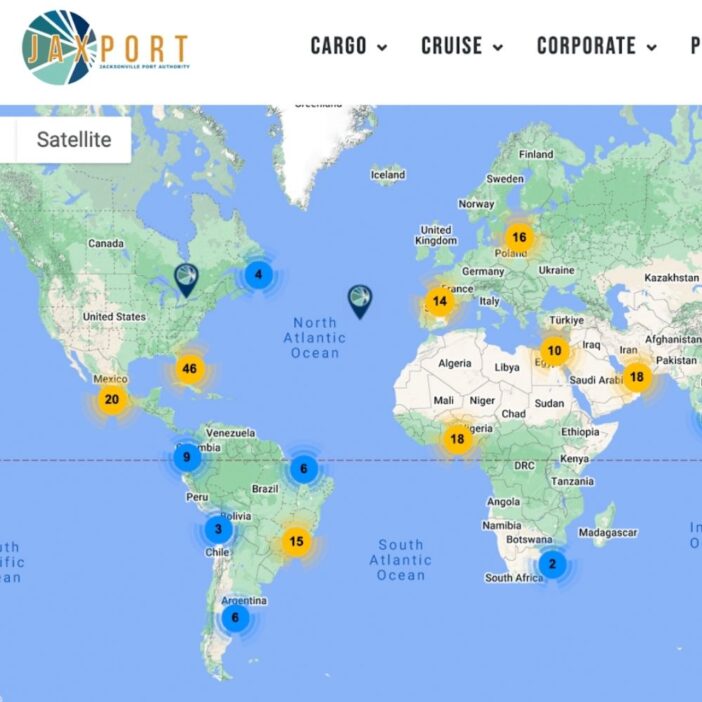
Jacksonville Port Authority

Princeton University
South Florida Web Advisors
NSSL

Dragonfly
West Fork School District
HappyTree IT
Mediebruket
Bet Hannon
Experience Solutions
Slight Revision
LifterLMS
Jamie Madden
GCPE
Rochelle Victor