Case study
How WayLay Design build a film location database for the Nevada State Film Office using GravityKit
WayLay Design, a husband-and-wife studio in Las Vegas, partnered with the Nevada State Film Office to replace a third-party SaaS directory with a self-managed, WordPress-native database of filming locations. Built with Gravity Forms and GravityView, the system lets property owners submit and maintain their own listings while location scouts and production teams can easily search the catalog for relevant listings.
Meet WayLay Design
WayLay Design is a Las Vegas-based graphic and web design business that has operated as a husband-and-wife team for roughly nine years. Wayne and Selina build custom WordPress sites for small and medium-sized organizations, working entirely in-house without subcontractors or templated themes. Their focus is projects that need solutions beyond what off-the-shelf themes provide.
WayLay has worked with the Nevada State Film Office since 2013. The agency serves as a resource for location managers, scouts, and production companies looking to film in Nevada, and it needed a better way to manage the locations it promotes.
Discovering GravityKit
The Nevada Film Office had been managing projects, locations, and crew through a third-party SaaS platform. As the agency’s needs evolved, that platform stopped fitting the workflow, prompting a redesign of the Filming Locations Database.
WayLay needed a tool that could power both halves of the experience: a frontend for property owners to submit and maintain their own listings, and a searchable directory for scouts and production teams to browse what was available.
We found GravityView while looking for ways to build a directory in which users could submit and manage their own location listing from the frontend while also offering an organized search filter for the public to find available filming locations.
It was their first GravityView project, but they immediately recognized the broader pattern. The same approach could power countless listing and project-management systems for other clients.
Building with GravityKit
The previous workflow was manual end-to-end. Business owners submitted property details (addresses, photos, features) through a Gravity Forms form on the Nevada Film Office site. Staff reviewed each submission, confirmed the information, and then re-entered it into the third-party platform along with the photos. Keeping the directory current was difficult. Properties changed hands, businesses closed, and every update meant another round of copy-paste.
With Gravity Forms already collecting submissions, GravityView was the natural fit.
Since the Nevada Film Office was already using Gravity Forms for filming location submissions, GravityView offered the most seamless integration to build a directory of user-managed location listings.
The new build does three jobs in one stack:
- Frontend submissions: Property owners create accounts and submit listings through Gravity Forms.
- Owner-managed dashboards: GravityView powers a custom frontend dashboard where each owner can edit their own listings without staff involvement.
- Public directory: A filterable, searchable view of approved locations is available to scouts, location managers, and production companies.
WayLay used GravityView’s conditional logic to tailor the experience for different user groups, surfacing the right interface for owners versus public visitors. That flexibility was the part of the platform that surprised them most. With it, both technical and non-technical contributors could work inside the same system without stepping on each other.
The impact
The biggest change is operational. Publishing a location used to require staff to copy submitted data into a separate platform. Now it is a single field on a Gravity Forms entry.
Now, instead of copying all of the location listing data into the other location database, the office simply checks a box and it’s live on the site.
Two things follow from that shift:
- Less staff time per listing. Approval is a checkbox instead of a re-entry pass.
- A more accurate database over time. Listing maintenance now sits with the property owners who actually know when an address, contact, or amenity changes.
For WayLay, the project also opened a door. Having seen what GravityView could do for the Nevada Film Office, they identified the same architecture (frontend submission, owner self-service, public search) as a fit for many other directories, member catalogs, and project hubs they could build for clients.
Takeaways
- Use Gravity Forms as the data layer, GravityView as the interface layer. If you already collect data through Gravity Forms, GravityView can replace a separate SaaS tool without a schema migration.
- Push maintenance to the owner of the data. Self-service editing keeps directories accurate without growing the staff workload.
- Approval workflow can be a single field. A checkbox on the entry beats copying records into a second system.
- One pattern, many use cases. Frontend submission plus owner-managed listings plus public search fits directories, member catalogs, marketplaces, and project hubs.
- Conditional logic earns its keep. Showing different views to different user roles is what turns a directory into an application.

Ready to get
started?
GravityKit’s integrated toolkit of Gravity Forms add-ons transforms your data into actionable applications.
Browse more case studies
Killer Shorts
Think:Kids
Leadpal
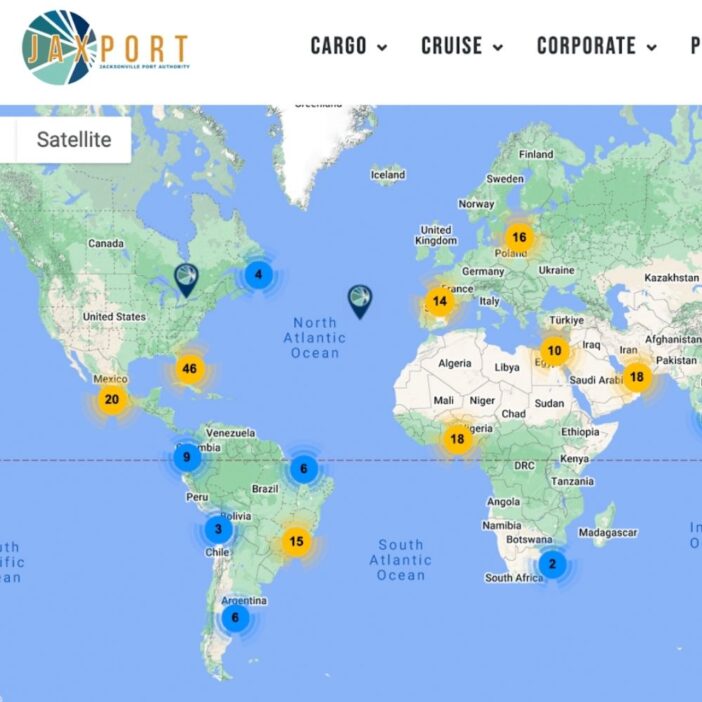
Jacksonville Port Authority
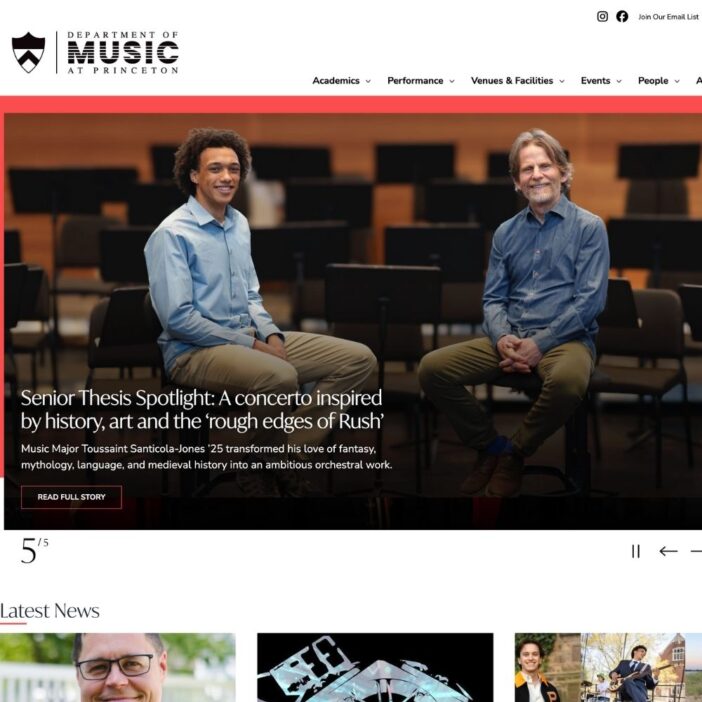
Princeton University
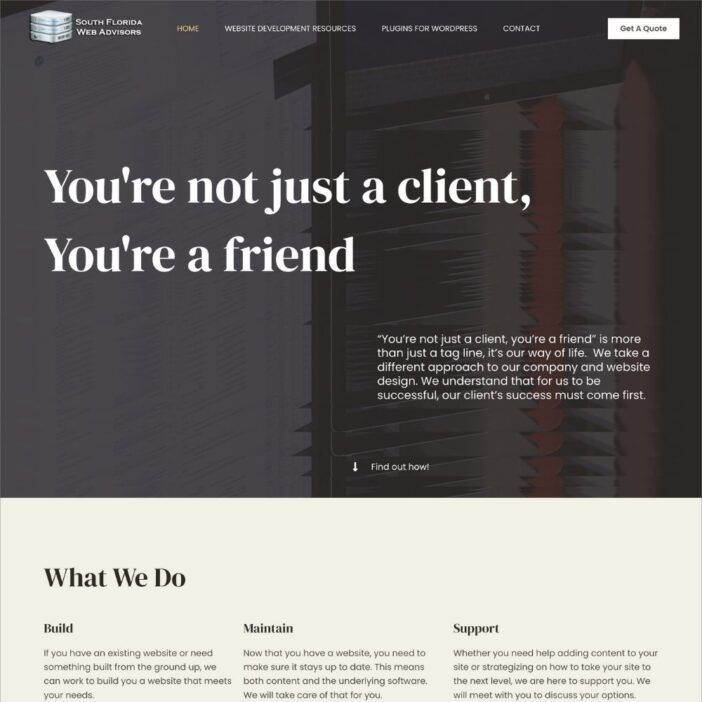
South Florida Web Advisors
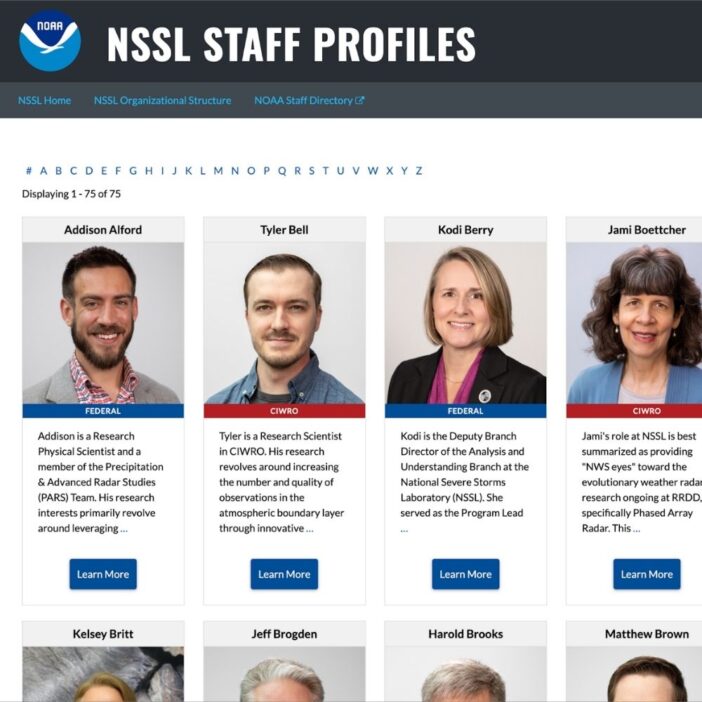
NSSL
Dragonfly
West Fork School District
HappyTree IT
Mediebruket
Bet Hannon
Experience Solutions
Slight Revision
LifterLMS
Jamie Madden
GCPE
Rochelle Victor
43Folders