Case study
How Support Redditch built a community service hub on GravityView in days, not weeks
When COVID-19 hit, Redditch Borough Councillor Mike Rouse needed a working community-services site by the next morning, not the next sprint. He picked WordPress, Gravity Forms, and GravityView, and shipped it.
Meet Mike Rouse
Mike Rouse is a Redditch Borough Councillor who came into politics from a software development background. When the pandemic forced lockdowns across England, he set out to stand up a structured volunteer organization that could deliver emergency services to local residents safely and at speed.
We had this emergency hit us like everyone else all across the world. We wanted to set up something that was structured in a way that enabled us to grow quickly and provide services safely with insurance and legal liability cover.
Facebook groups were the obvious workaround other communities had reached for. They didn’t fit Rouse’s bar. He needed a system that carried legal liability cover, kept records cleanly, and could change on the same day as community needs evolved.

Discovering GravityKit
Rouse knew he could build a custom platform. He also knew that wasn’t the right answer for an organization that had to grow from zero to multiple service lines in days. Custom development would take weeks. Volunteers would be waiting on engineers.
He reached for tools that put control in the operator’s hands: Gravity Forms for intake, GravityView for the volunteer-facing interface, and Gravity Flow for routing requests through review and assignment.
Installing Gravity Forms and GravityView is straightforward: plugin, license activation, and away you go!
Building with GravityKit
Six services, one platform. Support Redditch launched with six service categories, each backed by its own form and View:
- Food parcel requests
- Personal shopping
- Prescription collection
- Baby and toddler supplies
- Domestic abuse referrals
- Bereavement support
A resident submits a request through Gravity Forms. The entry lands in a GravityView dashboard that the right volunteer can see, claim, and act on.
The “moment of Zen”: embedded forms inside Views
The breakthrough for Rouse came when he realized GravityView lets you embed a form directly inside a View, so volunteers can write data back to a record while looking at it. No swivel-chair between an admin screen and a public page. No exporting to a spreadsheet to scribble notes.
When you realize you can embed a form within a View, that’s really the moment of Zen. Because you’re able to write back into a form that you’ve just embedded in view.
Prescription pickups: a service shipped overnight
When residents flagged that they needed help collecting prescriptions, Rouse built the service that evening and turned it on by morning. The flow:
- Resident submits a prescription pickup request via a form.
- Request lands in a GravityView dashboard as an unclaimed entry.
- An available volunteer claims the entry and is notified by email.
- The volunteer schedules the pickup and adds notes from a per-entry dashboard.
That kind of turnaround is the part GravityView prospects usually want to verify. Rouse’s answer is concrete: same evening to next morning, configured by one person, no custom code.
What it took to operate
Configuration is point-and-click. Field changes take seconds. Volunteers don’t need to touch the WordPress admin or learn anything technical to use the dashboards. That matters when your “engineering team” is a handful of pandemic volunteers and your runway is whatever fits in an evening after a council meeting.
The impact
By launch, Support Redditch was serving roughly ten residents a day, with demand climbing as awareness spread through the community. More importantly, the organization could:
- Add a new service the same day a need surfaced, instead of queuing it for a sprint.
- Run on volunteers, since the dashboards required no technical training.
- Maintain legal and insurance structure that Facebook-group alternatives could not.
- Adjust forms and views in minutes as government guidance changed.
For a grassroots group standing up emergency operations, this combination of speed, structure, and operator-friendly tooling is what made the project viable.
Takeaways
If you’re evaluating GravityView for a similar build, the Support Redditch story maps cleanly onto common questions:
- Speed of iteration: New views, fields, and workflows can ship the same day, without engineering involvement.
- Front-end editing: Embedding forms inside Views lets non-technical staff update records from a dashboard, not the WordPress admin.
- Operator UX: Volunteers, or any non-technical users, can run day-to-day operations once the View is set up.
- Stack fit: Gravity Forms, GravityView, and Gravity Flow cover intake, display, and workflow without bolt-on services.
- Use-case fit: If you’re building any structured request-and-fulfillment workflow (service requests, applications, internal tickets, volunteer dispatch), the pattern Support Redditch used is reusable.
Want to see the same approach applied to your own build? Start with GravityView and explore how forms and Views combine to turn Gravity Forms entries into a working application.
Ready to get
started?
GravityKit’s integrated toolkit of Gravity Forms add-ons transforms your data into actionable applications.
Browse more case studies
Killer Shorts
Think:Kids
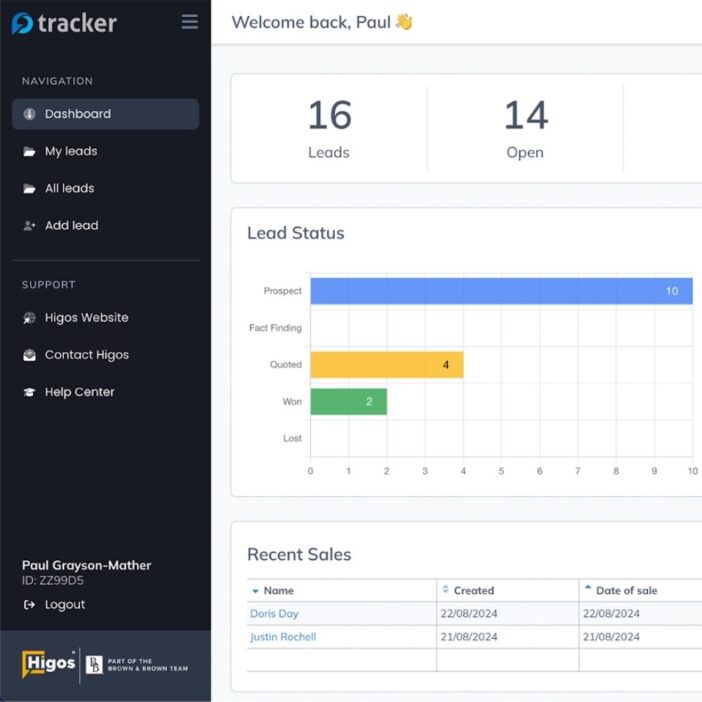
Leadpal
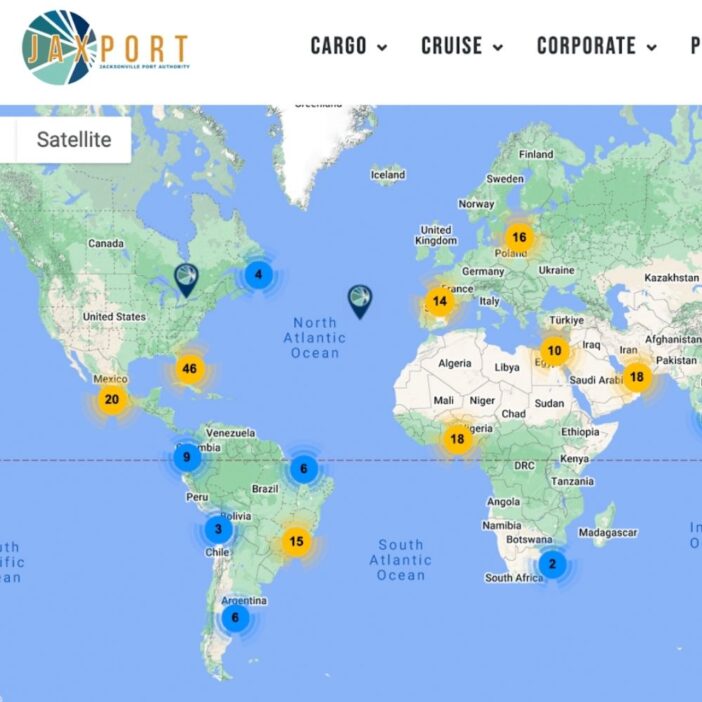
Jacksonville Port Authority
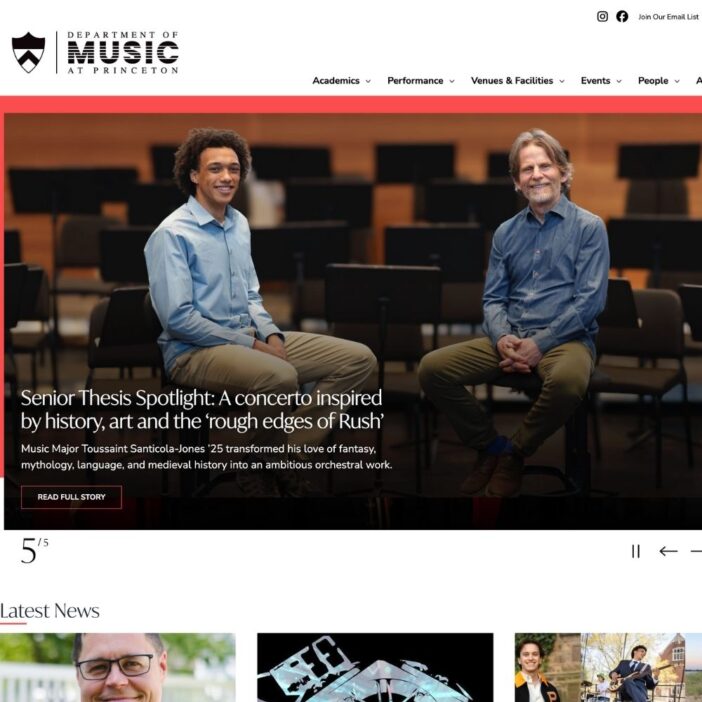
Princeton University
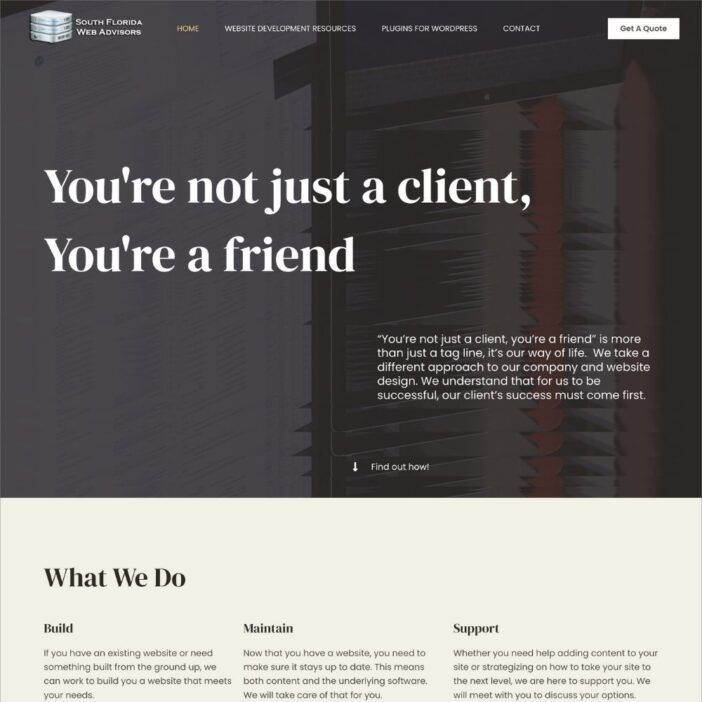
South Florida Web Advisors
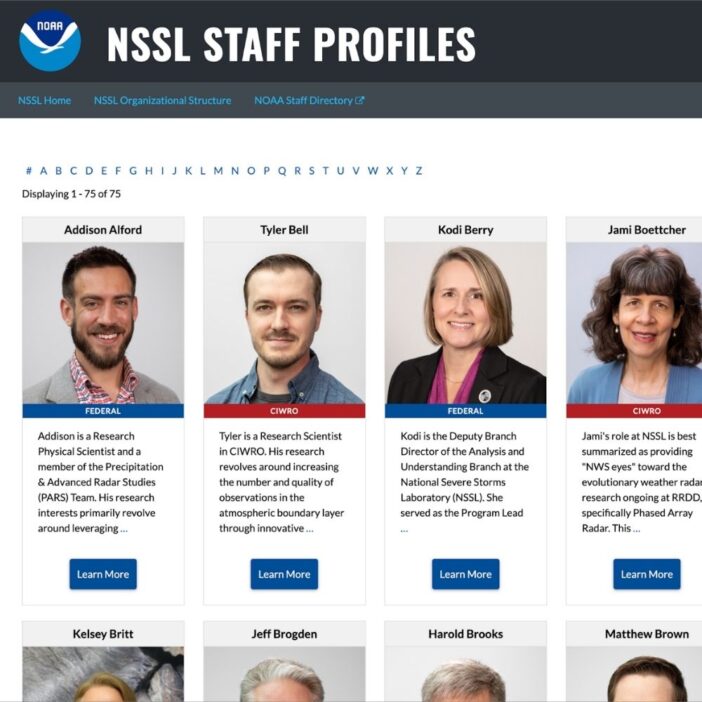
NSSL
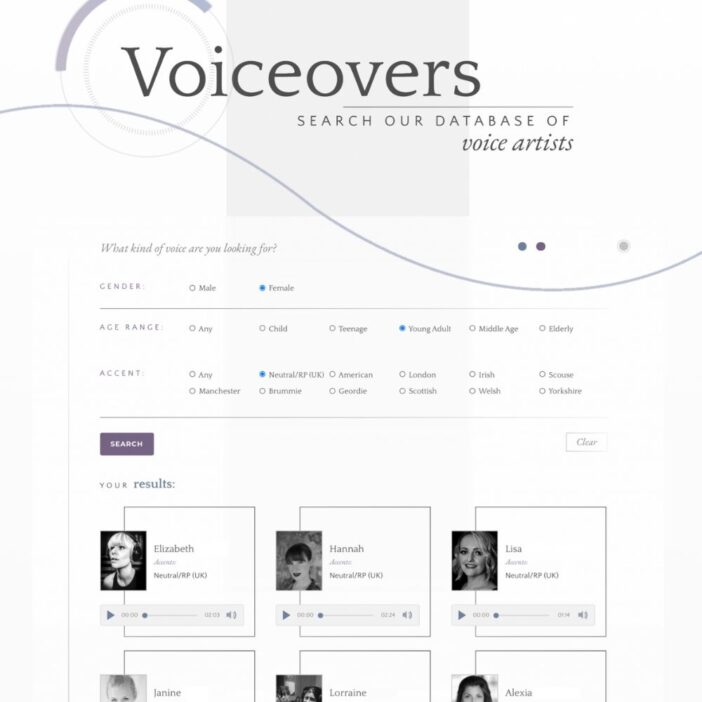
Dragonfly
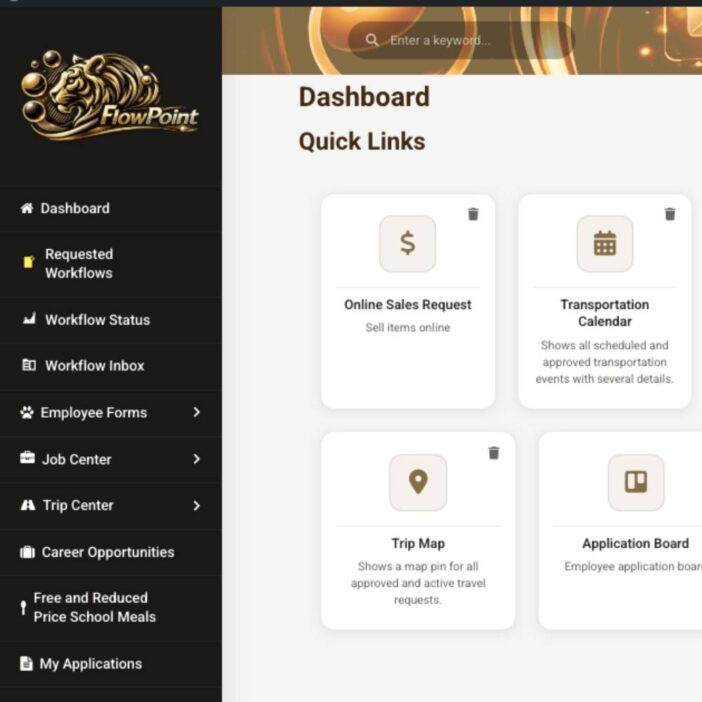
West Fork School District
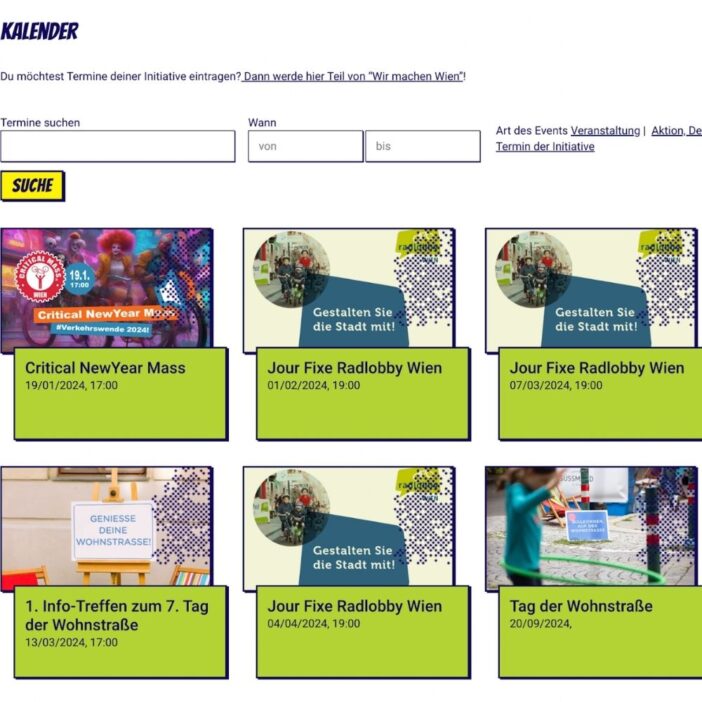
HappyTree IT
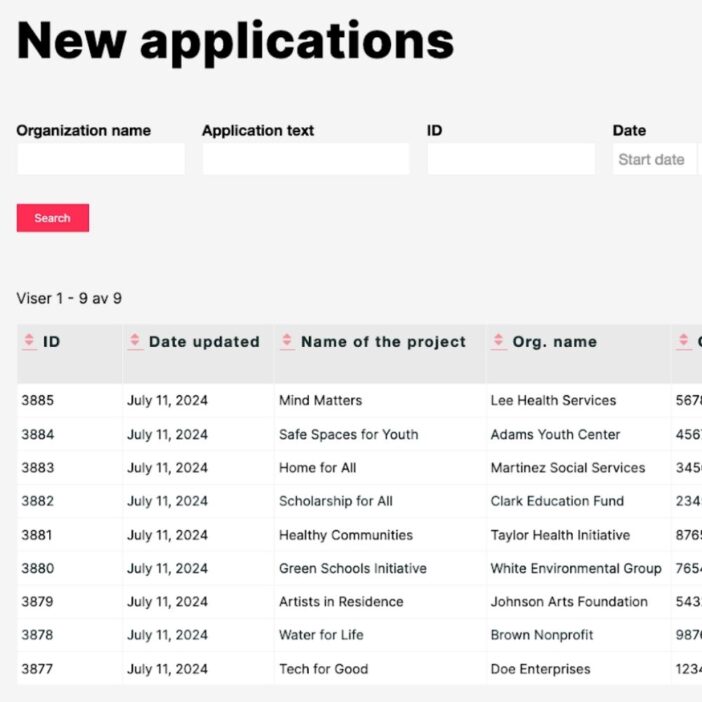
Mediebruket
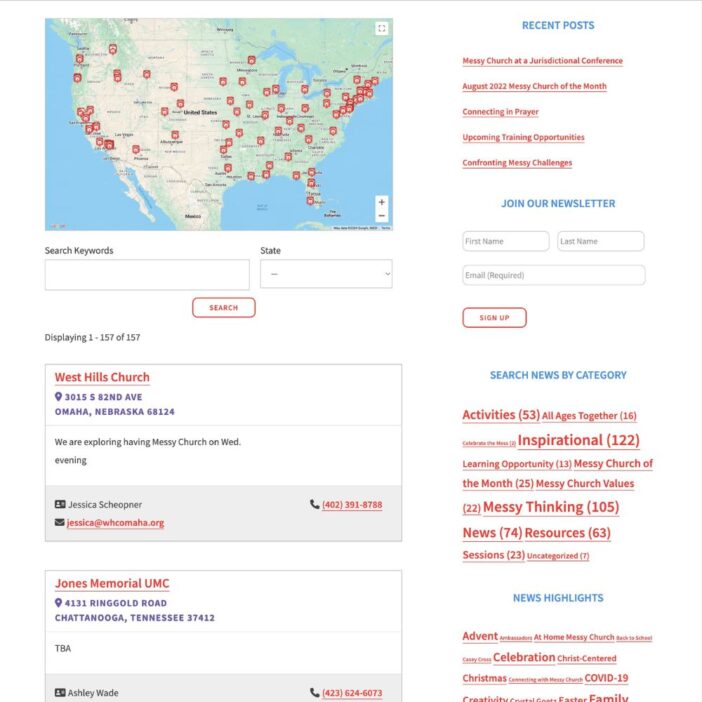
Bet Hannon
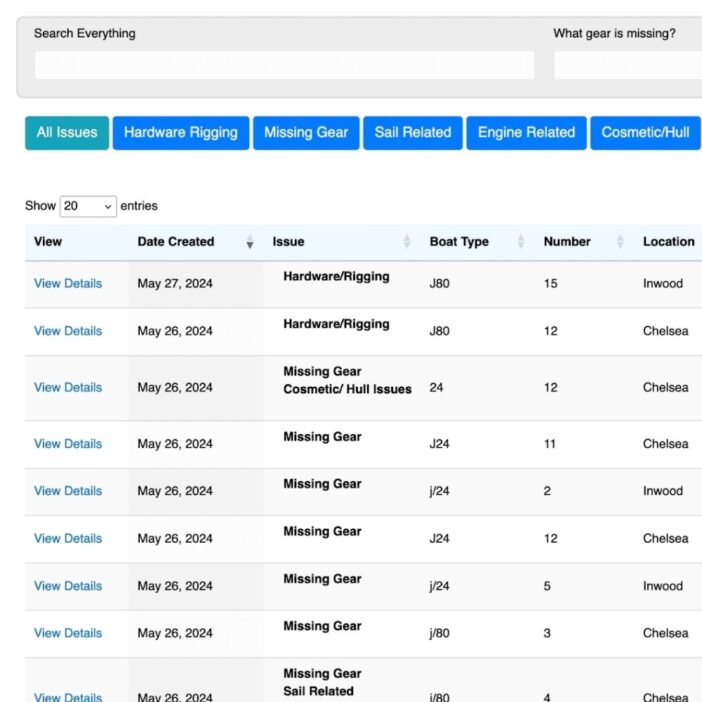
Experience Solutions
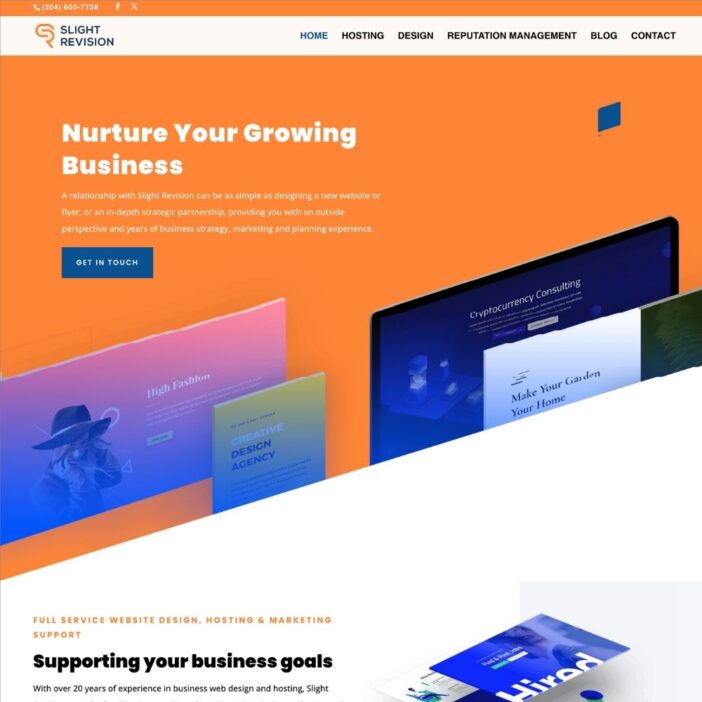
Slight Revision
LifterLMS
Jamie Madden
GCPE
Rochelle Victor
43Folders